



 Team Prac
If you had to venture a guess, how much salt do you think your horse needs a day? A teaspoon? A tablespoon? Whatever he gets from his free-choice salt lick is probably fine. He likely gets enough from his grain. Does my horse need salt? Most horse owners are surprised to learn that adult horses in no work require at least 1 ounce of salt per day—and if your horse is in heavy work, his salt needs could increase exponentially.
An essential part of your horse’s diet, salt (sodium chloride or NaCl) is a key but often overlooked electrolyte that supports healthy nerve and muscle function, plays a role in healthy digestion and encourages hydration. Many horses don’t get adequate amounts of the mineral from their grain, forage and salt blocks alone. A 2023 survey by The Horse found that over 60% of horses don’t get enough salt in their diets, so it’s important to assess your horse’s specific needs to determine whether supplementation might be necessary.
For example, a horse who’s in light to moderate work in a cooler, drier climate will likely need less salt than a sporthorse who’s in heavy work in a hot, humid climate. Harold Hintz, PhD, a former equine nutritionist at Cornell University, says some research has concluded that when in heavy work, a horse’s sodium requirements could increase dramatically to 200 grams or more per day, while horses in moderate work might need a daily dose of about 55 to 65 grams.
Here, we’ll look at why it’s so crucial that your horse receives enough salt in his diet to feel and perform his best, symptoms he might be deficient in this key mineral and how you can easily add more salt to his diet when necessary.
Why Is Salt Important for Horses?
Salt supports many aspects of your horse’s overall health, including:
Muscle function: Salt is essential for proper muscle contraction, including the heart.
Nerve function: Sodium is crucial for the transmission of nerve impulses, and it plays a vital role in the nerve-cell communication necessary to facilitate a variety of bodily functions.
Digestive health: Salt is an inorganic compound composed of approximately 40% sodium and 60% chloride. Chloride is involved in the production of stomach acid (hydrochloric acid or HCI). HCI helps protect against harmful microbes in the horse’s GI tract and is important for proper protein digestion.
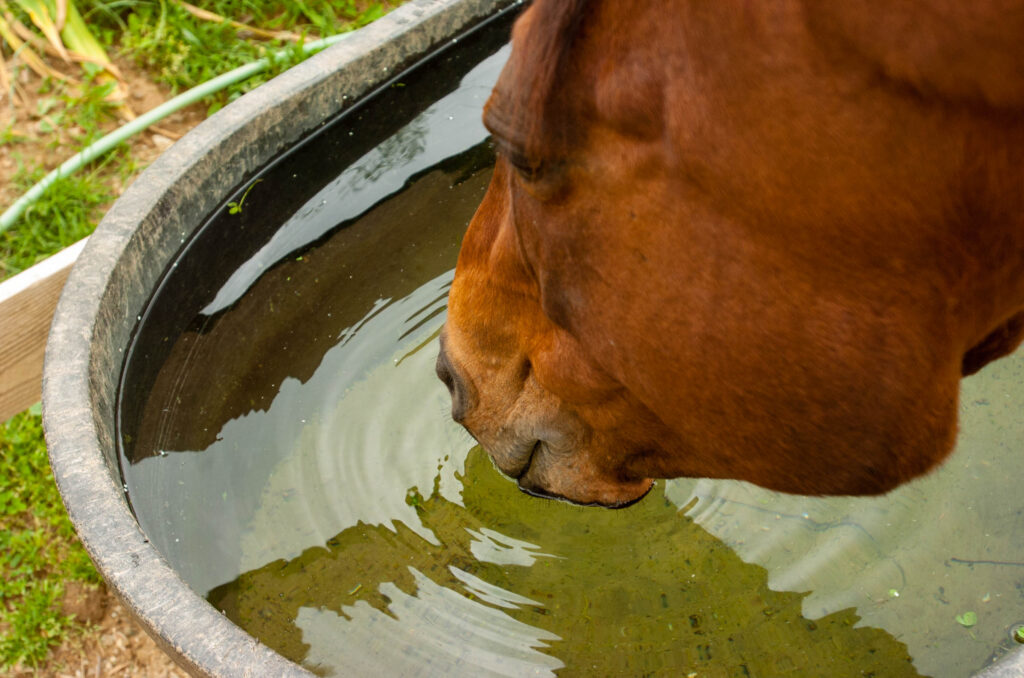
Proper hydration: Your horse’s thirst mechanism is partially regulated by his salt intake. When he gets adequate sodium in his diet, he’s likely to drink more water and remain well hydrated, which can prevent colic and other serious health issues.
Electrolyte balance: Both sodium and chloride are among the essential electrolytes your horse needs to support healthy nerve and muscle function and to balance bodily fluids.
Blood pH levels: Chloride balances blood pH and water flow in and out of cells and helps to regulate blood pH levels.
Symptoms of Salt Deficiency in Horses
Common symptoms that your horse might be deficient in salt include the following:
- Reduced appetite
- Weight loss
- Lack of energy/weakness
- Exercise intolerance and poor performance
- Dehydration
- Muscle spasms
- Anhidrosis (non-sweating)
- Licking or eating unusual, non-food items such as dirt
How to Add Salt to Your Horse’s Diet
While our human diets are saturated in high-salt foods—you might reach your maximum daily sodium requirements in single basket of tortilla chips at your favorite Mexican restaurant—your horse’s foods of choice aren’t riddled in excess salt. He will get minimal amounts from his hay, grass and grain, and while free-choice salt licks can contribute to his daily requirements, it’s hard to assess exactly how much he gets on a daily basis—and salt blocks typically don’t provide him with enough salt to meet his needs.
Keep in mind that every horse’s salt needs vary depending on weight, exercise level, climate and underlying health conditions. If you’re not sure whether your horse needs supplemental salt, always consult your veterinarian.
If you determine your horse would benefit from additional salt, here are some simple ways to add it to his diet:
Free-Form Salt
Table salt: An easy, budget-friendly option, white table salt is readily available and can be compressed into salt block or served loose as topper to your horse’s grain. When trying to add more salt to your horse’s diet, the latter is recommended, as you can easily and control the serving sizes. Some horses, however, aren’t crazy about the taste of plain salt, so it’s wise to introduce it in small amounts to avoid wasting grain that he won’t eat.
Iodized salt: This form of salt is also widely available and economical and can be fed as a grain topper. If you opt for iodized salt, be sure to check the iodine content in your horse’s regular feed and supplements. In general, it’s recommended that horses receive 3 to 5 mg of iodine per day; too much iodine in the equine diet can lead to serious health complications, so be sure to double-check with your veterinarian if you’re unsure.
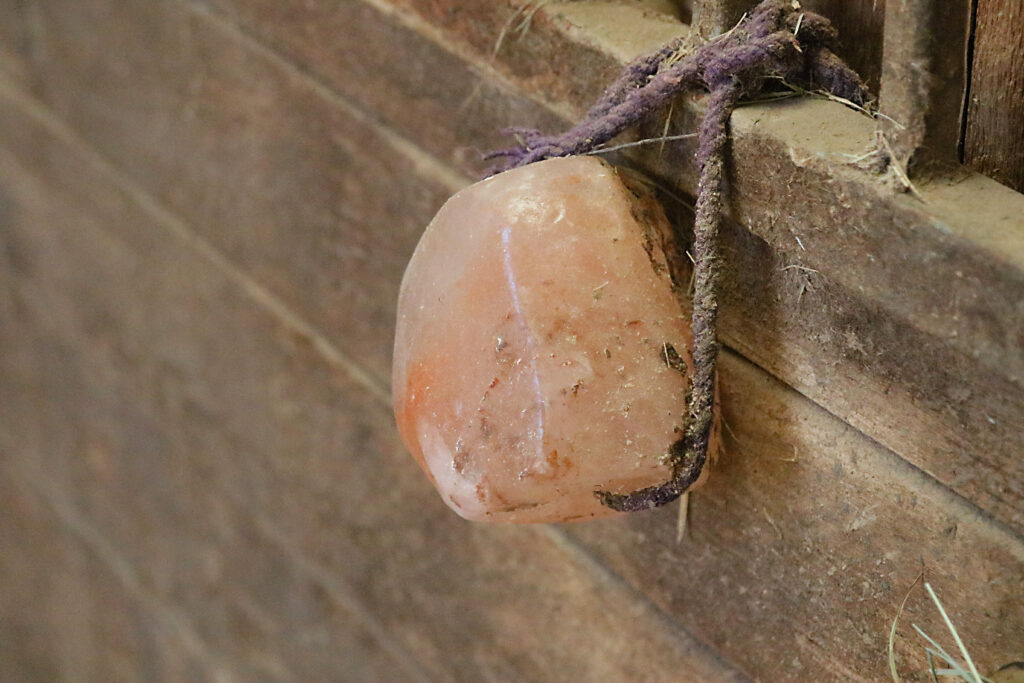
Mined rock salt: This type of unrefined salt is mined from certain regions such as the Himalayan mountain range. For example, you might be familiar with the pink-colored Himalayan rock salt products available for horses; this salt contains the trace minerals iron, potassium and magnesium and most horses tend to find it more palatable compared to other salt forms.
Sea salt: Sea salt is produced from evaporating water in oceans and salt-water lakes. It, too, can be used as a grain topper and is available in plain form at your local grocery store or with added trace minerals from equine supplement manufacturers.
Salt Supplements
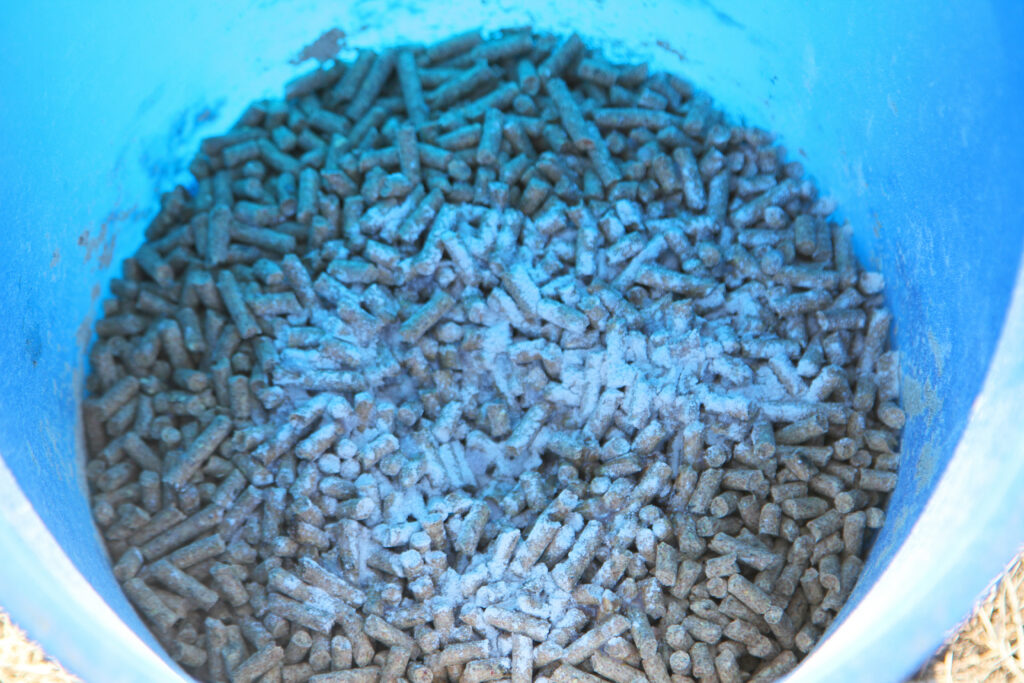
Available in pellet, powder and paste form, salt supplements are often more palatable to most horses, and some products contain additional key electrolytes, which can be a bonus if your horse sweats a lot due to heavy exercise or a hot climate. A great option for picky eaters, pelleted salt supplements often have added flavoring like apple and banana and can easily be mixed into your horse’s grain.
Supplement powders containing salt are also easy-to-administer grain toppers, but some horses find them less appetizing and the smaller powder particles can sift through your horse’s feed resulting in him not getting the full dosage. However, certain salt-powder supplements can be mixed with water, provided your horse will drink it.
In addition to boosting your horse’s sodium intake, salt pastes can also help encourage the thirst response; they’re also super easy to administer and convenient if your horse tends to need additional salt on the road or at shows.
Salt Licks/Blocks
From the most basic salt-and-mineral livestock block to the mineral-dense Himalayan rock-salt licks with naturally occurring minerals like iron, potassium and magnesium, salt blocks or licks can serve a useful supplemental purpose.
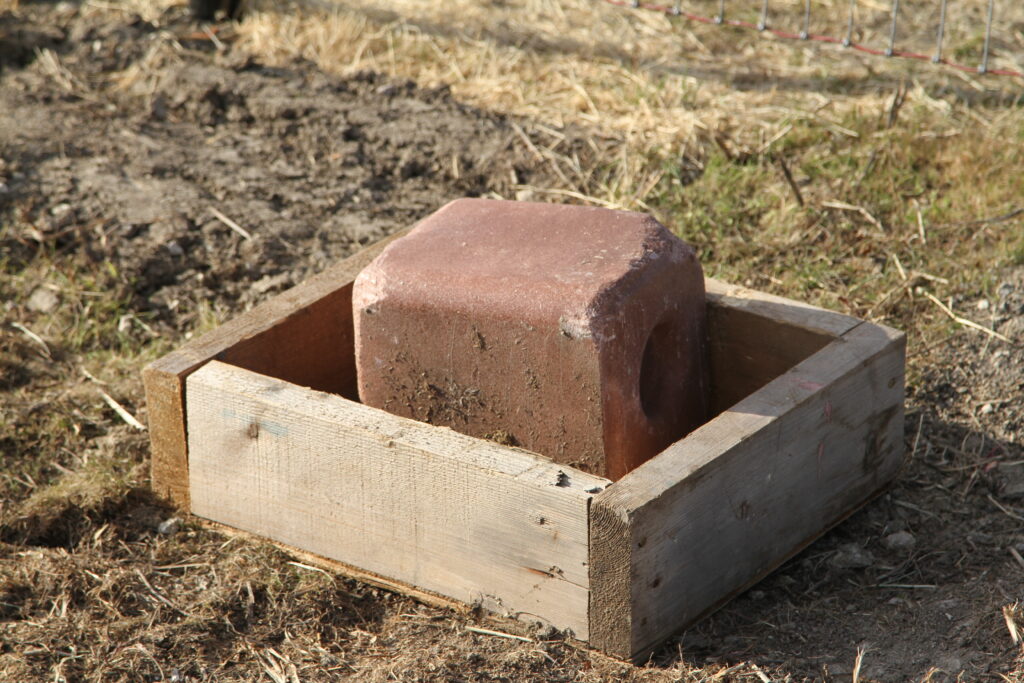
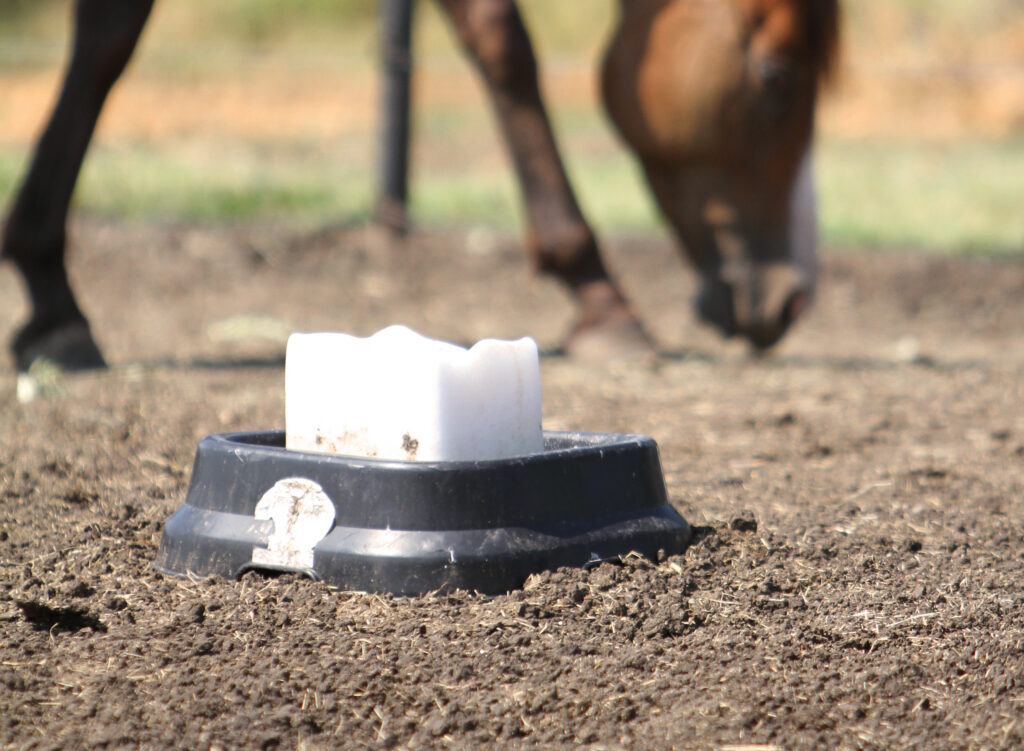
While most horses instinctively recognize when they’re deficient in salt—and might even display behaviors like licking fences, stall walls, rocks, etc. to identify mineral sources to meet their salt needs—a majority don’t consume enough salt from free-choice blocks alone. But it’s still wise to provide your horse with a salt block or lick, as it can serve as supplemental source he can access when he feels like it.
Takeaway
Now that you’re aware of the important role salt plays in overall equine health and how you can easily add sodium to your horse’s diet, take a moment to assess his daily salt intake. Paying attention to his micronutrient and vitamin needs and ensuring his diet is balanced is a simple way to keep your horse feeling and performing his best.