


 Video
VideoThis article is brought to you by Mad Barn.
Do you tend to increase your horse’s grain ration any time his workload increases? While this might be necessary for some horses, others can maintain an acceptable body weight with a lower ration.
To help your sporthorse perform his best, you need to ensure you’re providing him with adequate energy and protein based on his condition and workload while avoiding unnecessary calories. A qualified equine nutritionist can help review your horse’s complete diet to determine if it’s providing him with enough energy for his current workload, forage intake and your performance goals.
Whether your horse is lacking needed calories, or you’re potentially giving him too much grain, a nutrition expert can use this information to help you formulate a practical feeding plan to meet all his specific needs.
Evaluate Your Horse’s Workload
An equine nutritionist starts by establishing your horse’s nutritional requirements based on his existing workload before making recommendations to change feed or supplements. A horse returning from time off, one building fitness, and a horse competing regularly all have different nutritional needs.

Your horse’s nutritionist will consider the following:
- Body weight, body condition, and whether either is changing
- The frequency, duration and intensity of your horse’s work
- Training, competition, travel, climate, and expected sweat loss
- Age, life stage, metabolic status and relevant health concerns
- The type and amount of every forage, feed and supplement he’s currently getting
These details matter because both deficiencies and excesses can undermine your feeding program. Energy and protein should meet the demands of your horse’s work and physiological state without significantly exceeding his requirements. Vitamins and minerals must also be supplied in adequate amounts and in ratios that support normal absorption and use.
Forage, Water and Salt Create the Foundation
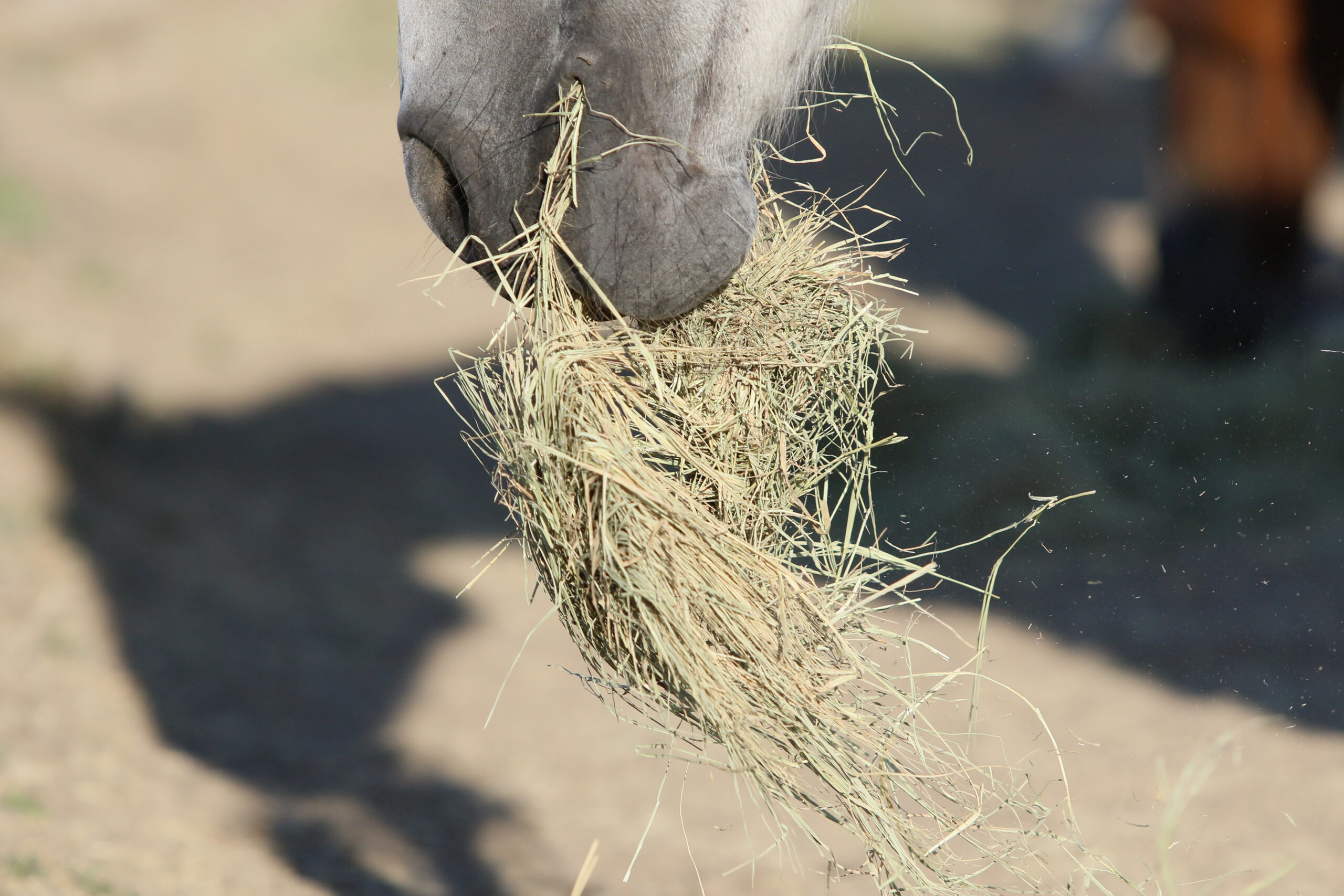
Forage makes up the foundation of the working horse’s diet. It usually contributes the greatest dry-matter weight to his overall intake and supplies substantial calories, protein, fiber and minerals. Fiber from forage also supports the hindgut microbes that help convert feed into a steady source of energy.
Hay that looks and smells good does not necessarily guarantee the quality of its nutrient content. Plant species, maturity, growing conditions, harvest and storage can all change the energy, protein, sugar, starch and mineral content of stored forage. A new hay shipment can alter your horse’s nutritional intake even when nothing else in the feed room changes.
Mad Barn offers forage testing to help you identify the quality of your horse’s hay. A nutritionist can then interpret those results and determine which feeds or supplements complement his forage rather than duplicate it.
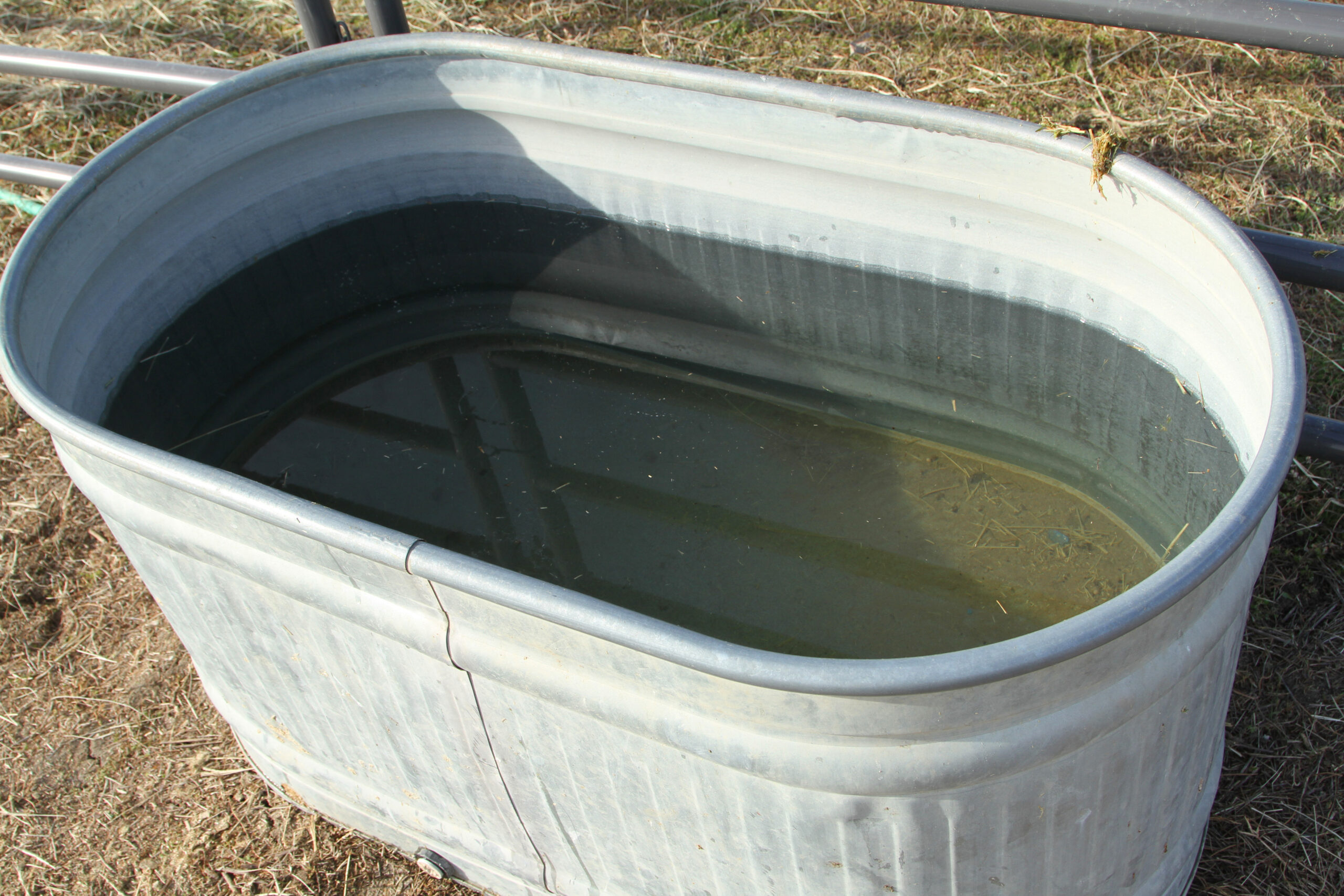
Water and salt are also key to your horse’s diet. Water supports digestion, temperature regulation and gut motility. Salt supplies sodium and chloride and helps encourage water intake. Horses working in hot conditions or those who sweat heavily will have increased salt needs and might require an electrolyte supplement.
Match Calories and Protein to Your Horse’s Workload
Many mature horses in light work can meet much of their calorie and protein requirements from good-quality forage. As workload increases, some horses need additional energy or protein to maintain condition, develop muscle and recover from exercise.
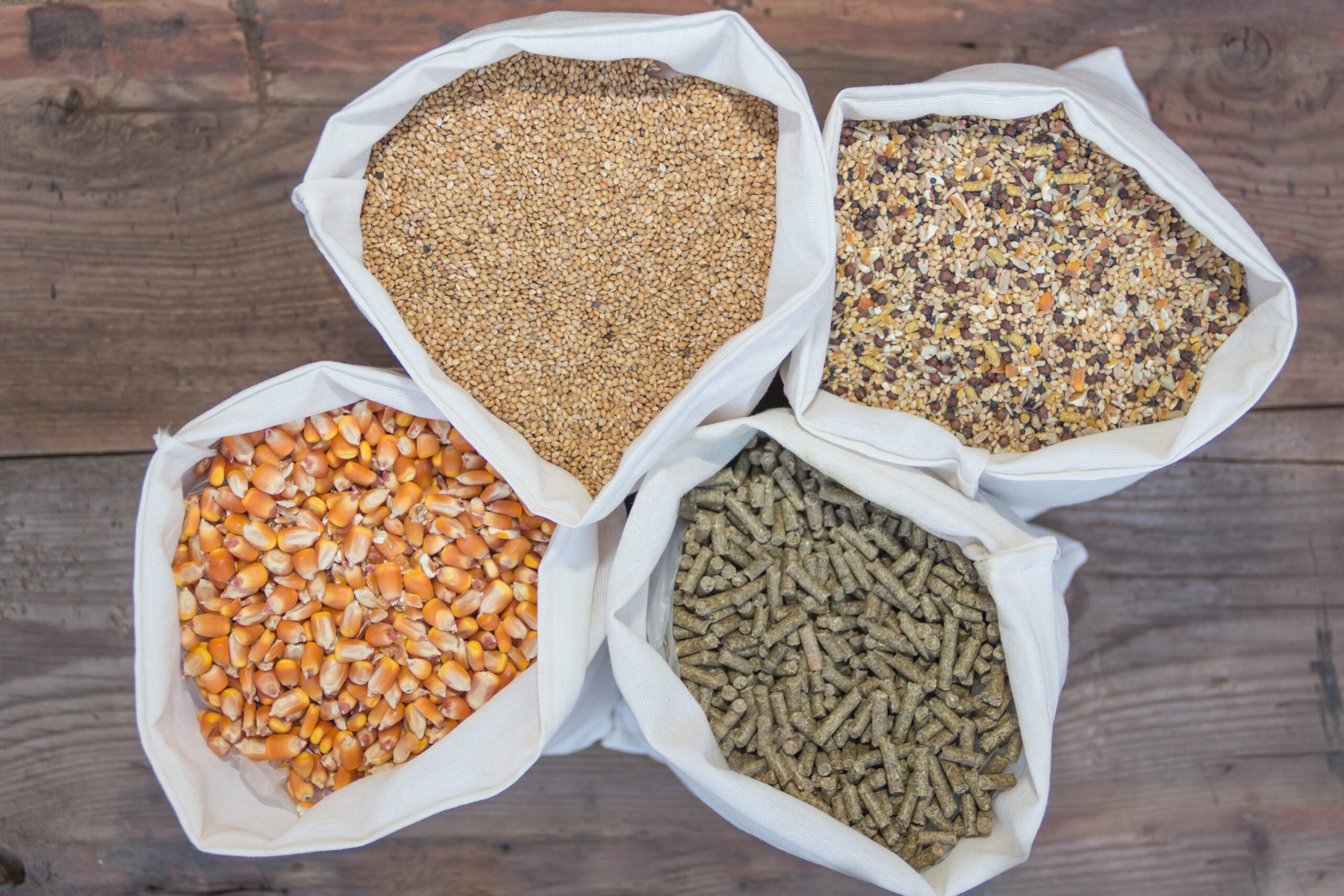
Many owners turn to grain to meet calorie needs, but there are other options that may be more effective. A nutritionist can assess whether higher-calorie forage, digestible fiber, fat or a fortified concentrate is the best fit for your particular horse.
Fortified feeds must be fed at the manufacturer’s recommended full ration to deliver the intended vitamin and mineral levels listed on the feed label. Feeding less can leave gaps in your horse’s diet. For some horses, however, feeding the full recommended amount can supply excessive calories and may lead to increased excitability or digestive upset associated with large grain meals.
Addressing Vitamin and Mineral Needs
It’s important to understand that meeting calorie and protein requirements does not guarantee that your horse is getting all the vitamins and minerals he needs. Forage-based diets can also still fall short in nutrients such as copper, zinc, selenium, iodine, vitamin E or essential amino acids, depending on the forage source.
Omneity® is Mad Barn’s complete vitamin and mineral supplement designed to balance forage-based diets for most horses. It supplies vitamins, organic trace minerals, B-vitamins, biotin, lysine, methionine, threonine, digestive enzymes and live yeast culture. This broad nutritional foundation supports hoof and coat quality, muscle function, digestive health, and overall well-being without adding significant sugar, starch or calories.
AminoTrace+ is formulated for horses with enhanced vitamin and mineral requirements. Compared with Omneity®, it provides higher levels of copper, zinc, magnesium, essential amino acids and natural vitamin E, as well as chromium. Its low-NSC (non-structural carbohydrates) formula contains no added iron.
AminoTrace+ is appropriate for horses with metabolic concerns, a history of laminitis, high-iron forage or water, poor hoof quality, or increased muscle and antioxidant-support needs.
Product choice should follow the ration analysis: Omneity® and AminoTrace+ address different nutritional situations and are not simply two versions of the same recommendation.
Build Targeted Support on Top of a Balanced Ration
Supplements for joints, digestion, muscle building, respiratory health, omega-3 intake or other performance goals can be useful, but they should be considered after forage, water, salt, energy, protein, vitamin and mineral needs are addressed. Specialized products cannot compensate for a diet lacking a solid nutritional foundation.
Following this prioritization will make your supplement program easier to evaluate. When the base ration is known, nutritionists and horse owners can work together to carefully choose targeted products for established needs instead of stacking products with overlapping ingredients.
Reassess Your Horse’s Needs as Training Progresses
Your horse’s nutritional needs will likely look different during winter conditioning, a busy competition season, a period of reduced work, or a change in forage. Changes in workload, body condition, pasture access, travel, weather and health status should prompt regular reassessment of your horse’s diet.
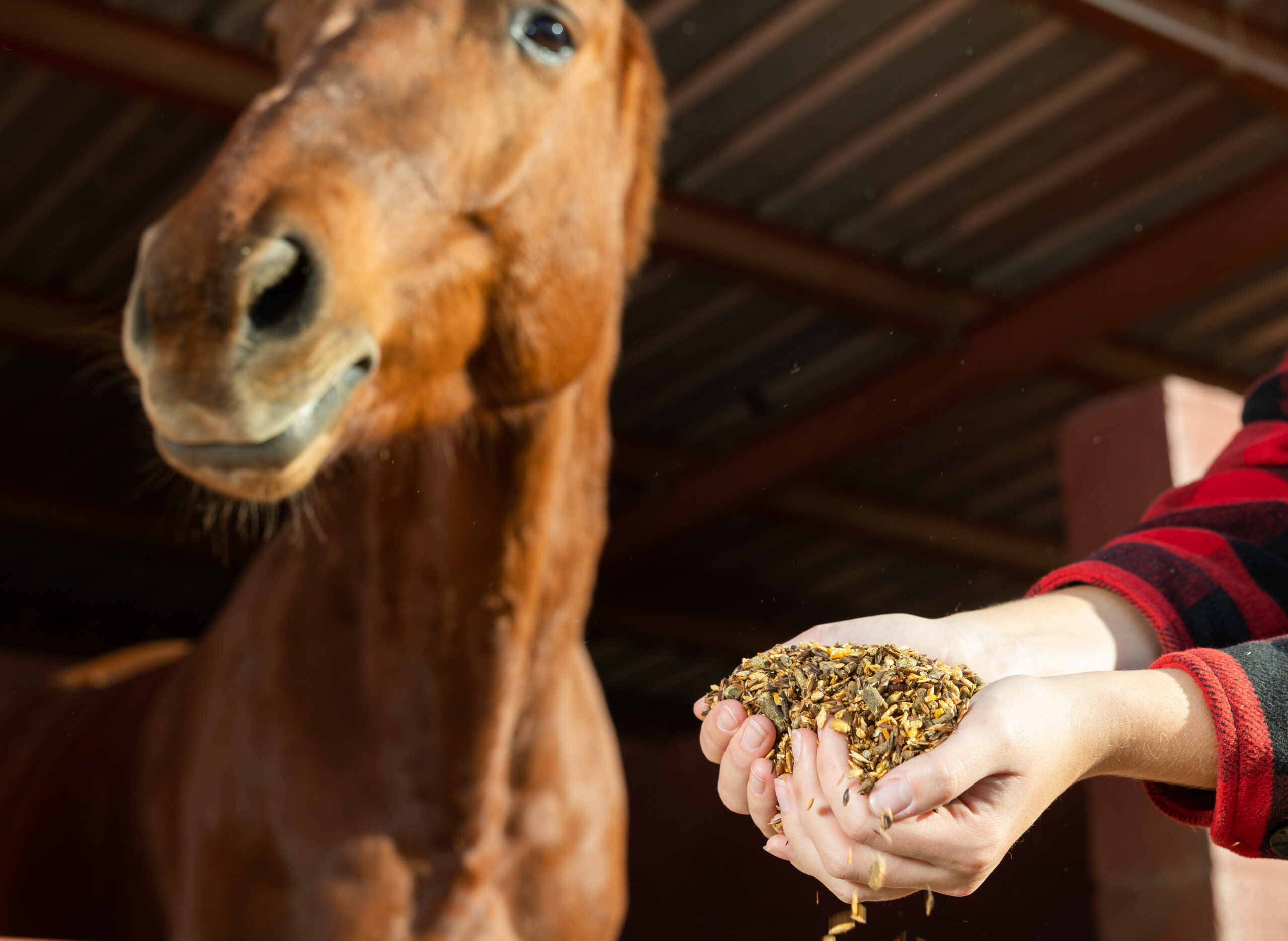
Introduce dietary changes gradually and monitor your horse’s weight, condition, appetite, behavior, hoof and coat quality, and manure as he adjusts. Sudden or unexplained changes warrant veterinary attention because pain, dental disease, parasites and other medical conditions can also affect his condition and performance.
Add a Nutritionist to Your Performance Team
Mad Barn’s free diet evaluation service gives horse owners direct access to an equine nutritionist. The review includes an assessment of your horse’s forage, feed, supplements, workload, body condition and health considerations. The nutritionist will then provide personalized recommendations to address any nutritional gaps, remove unnecessary or overlapping ingredients and determine whether products such as Omneity® or AminoTrace+ fit in your horse’s program.
A professional nutritional evaluation can help ensure that any addition to your horse’s diet serves his current workload rather than simply adding more to his feed bucket.