



 Video
VideoOutcries over photos posted on social media after major competitions. Petitions asking to remove horses from the Olympic Games. Angry spectators sharing resentment that has been brewing for years, demanding explanations for the way equine athletes are trained and treated.
Equestrian sports face a kind of revolution—one that threatens to upend their existence altogether.
“The future survival and success of the equestrian industry now hinges on the ability to be seen to genuinely prioritize equine welfare,” says Natalie Waran, an animal welfare scientist and consultant in New Zealand.
Can horse sports be saved? Experts say yes—but only with help from an unsung and frequently misunderstood ally: science. If scientists and the equestrian industry work together to improve knowledge, horse welfare, and education, they say, horse sports could enjoy a happier, more harmonious and more equitable future.
Social License to Operate
There are prominent cases—like Charlotte Dujardin’s withdrawal from the 2024 Olympic Games after video footage showed her whipping a horse from the ground—but riders across the planet, and at all levels, are coming under scrutiny from an increasingly intolerant public. As people take to their ever-present cell phones and upload clips and snapshots of sporthorses to social media, they invite a wave of criticism targeting not only individuals, but the sport itself.
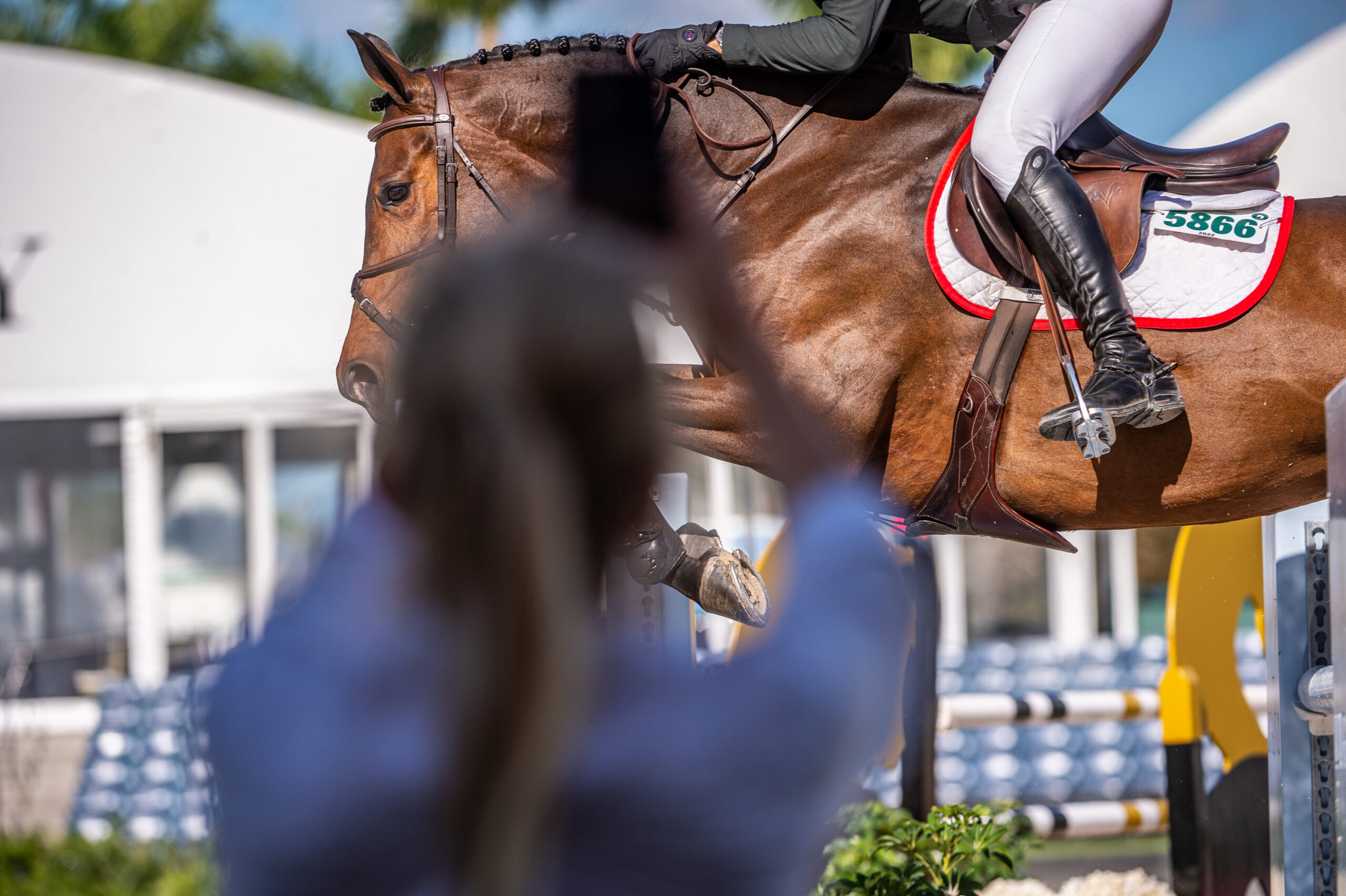
This is challenging riders’ social license to operate (SLO)—the idea that people are free to do what they want until society says they can’t. Today’s riders must defend their sport by ensuring no harm to horses—and proving that to the world.
It’s no easy task, admits FEI Secretary General Sabrina Ibáñez. “Maintaining our social license to operate is probably the most important and biggest challenge we have today,” she says. “If we don’t take responsibility—each and every one of us—the impact on our history could be irreparably damaged.”
Science to the Rescue?
For the past two decades, equitation scientists have intensified investigations into training and management methods—and paths for improvement.
Researchers have developed ethograms—behavioral checklists—to identify signs of pain or stress, from stiff posture to stereotypes like cribbing and weaving. There’s even one specifically for ridden horses—including signs like laid-back ears, tense nostrils, gaping mouths, swishing tails, and tight jawlines—since tack, effort and rider cues can alter body language and facial expressions.
Other teams test horses’ optimism using ambiguous cues, such as buckets that may or may not contain food, to gauge how they interpret their environment.
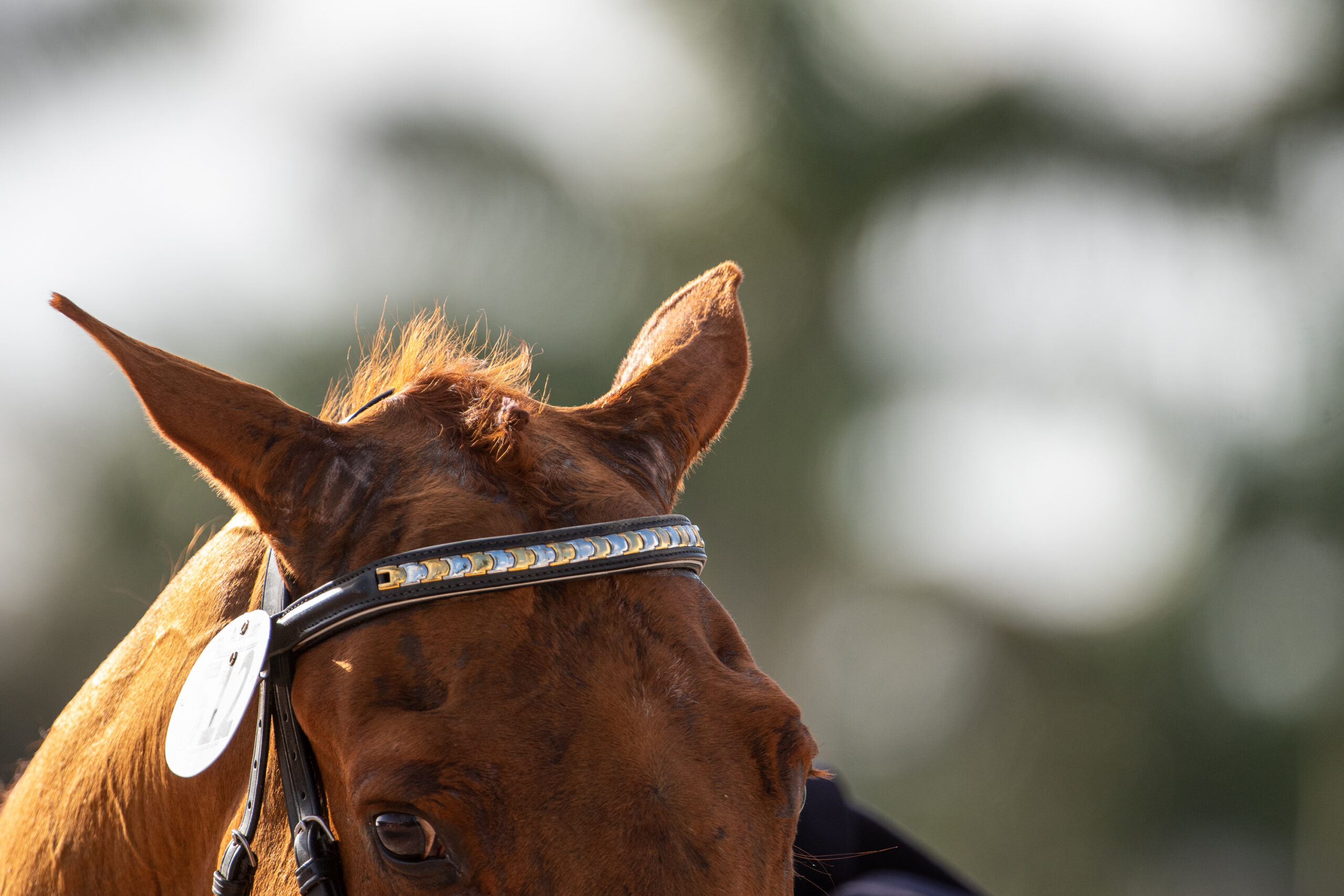
Sensors now measure rein tension, saddle pressure, and head-and-neck angles in real time, while heart-rate monitors track exertion. Imaging can detect early musculoskeletal strain before injury occurs. And statisticians are identifying risk factors for accidents, particularly in eventing and racing, which could lead to safer course designs.
Meanwhile, science-based trainers are applying learning theory—the science of how horses think and learn—to practice, giving horses more agency. “We should be able to say: I feel like I’m managing my horse, and my horse feels like he’s managing me,” says Australian equine educator Andy Booth, who’s based in France. “When that happens, the horse isn’t a victim of equitation anymore; he’s a confident and willing actor.”
From Research to Rules: the FEI Response
While change requires global agreement across cultures and systems, the FEI is listening and enacting rule modifications, Ibáñez says. As of May 2025, for example, all nosebands must be checked with a standardized measuring device—not just fingers. This spring, the organization announced formation of a task force to review horse welfare protocols across disciplines.
In recent years, the FEI has collaborated with leading equitation scientists to develop an Equine Welfare Strategy Action Plan, recruiting the help of Waran and other welfare science experts. These “critical friends” evaluate the ethics of the sport and make evidence-based recommendations for improvements—focused on optimal welfare. “Welfare isn’t a constraint; it’s an enabler,” Waran says.
They’ve also had Andrew McLean, BSc, PhD, Dipl. Ed, director of the Australian Equine Behaviour Centre, address delegates at their annual Sports Forum. McLean—a pioneer in equitation science—explained the scientific principles of training and their vital importance to horse sports. “I’m a big supporter of the use of horses in sport—providing that when we know better, we do better,” McLean told them.
Human Behavior Change
Much of equitation science focuses on horses—but increasingly, researchers are studying human behavior and how to change it.
Studies explore how to get people to adopt scientific findings that improve horse welfare—and why they resist. Tradition plays a major role: Horse people tend to do things the way they’ve always been done, research shows.
“You’re asking people to give up things that are deeply embedded in the sport’s culture—the way we judge, the tack we use,” says Roly Owers, MRCVS, CEO of World Horse Welfare in the U.K. “That’s not just a technical change; it’s an emotional one.”
Still, this isn’t just a horse-people problem; the wider public frequently misinterprets equine behavior—leading to well-meaning but misguided criticisms. Dujardin’s video, for example, evoked images of physical brutality—but the psychological damage might have been even more significant, says Marc Pierard, PhD, at the University of Lancashire in the U.K. The horse felt frustrated, confused and unable to find the correct response. “He was getting desperate—like, ‘I need to do something; how do I get this whip to stop?’” says Pierard.
This places a heavy burden on science communicators, researchers agree. Journalists, federations and educators must translate research into something people can understand and apply.
“Most of us on the ground don’t know much about science, and scientists don’t always make it easy,” Booth says. “If you want change in the horse world, you have to make it accessible and show people how it works with horses on the ground—not just in PowerPoints.”
Top riders like Dujardin could even drive such change, says Angelo Telatin, PhD, at Delaware Valley University. Rather than retreating in shame, they could take a different approach—engaging with science-based training and advocating for better practices. “The idea is to say, ‘Yes, I got it wrong,’ but now I understand—and I’ll do better because of it,” he says.
Knowledge Into Practice
Can science save horse sports from an increasingly scrutinizing public?
Perhaps—but only if riders, scientists and communicators work together to turn knowledge into practice. The outcome will determine whether horse sports fade under pressure—or emerge stronger and more ethical than before.