




 Video
VideoOn Sept. 9, the first equine case of New World Screwworm (NWS) as part of the 2026 incursion was detected on a hind limb of a working ranch horse in Presidio County, Texas. NWS is a serious parasite that can infest wounds in horses and other warm-blooded animals. Because the larvae feed on living tissue, even small cuts or sores should be cleaned, protected and checked closely until they are fully healed. Learn more about NWS from a previous USEF webinar here.
Horse owners should inspect their horses every day for wounds, swelling, drainage, foul odor or maggots. Pay close attention to small cuts, surgical sites, the umbilical area of foals, and moist areas such as the lips, nostrils, eyes and genital areas. If you see maggots or anything unusual in a wound, contact your veterinarian right away. Early reporting helps animal health officials respond quickly with eradication tools like sterile fly release in your area.
The U.S. Equestrian Federation has protocols in place for licensed competition organizers and participants to reduce the opportunities for the fly to spread. Required steps may include checking horses for wounds when they arrive and continuing to monitor horses during the competition. Finding and reporting suspect cases early helps protect horses and competition grounds from screwworm threats, including infestation and resulting quarantines.
Remember that state animal health officials set policy for animals in their state, as well as animals coming in from states or geographic zones with screwworm cases, so you should remain aware of your state’s requirements as well as those of the USEF. You can find USEF protocols and links to state and federal resources at usef.org/screwworm.
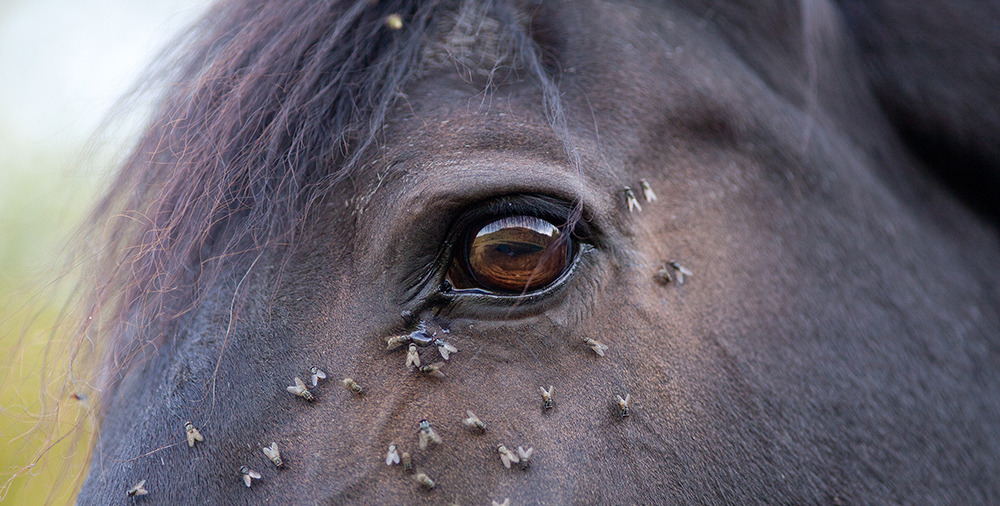
We encourage every horse owner to help protect their horses and the broader equine community by practicing good wound care, fly control, and biosecurity. Check horses daily, keep wounds clean and covered as directed by your veterinarian, use veterinarian-recommended fly control products, and limit fly access with physical barriers such as fly masks, sheets, and clean stabling practices when appropriate.
Questions may be directed to the USEF Equine Health team at equinehealth@usef.org or to Dr. Katie Flynn at 859-225-6991.