




 Video
VideoAs Elaine Lockhead entered her 30s, she was sure she’d found her niche in life. After an unfulfilling career working for advertising firms in Boston and New York, the lifelong rider and horsewoman returned to her hometown of Durham, North Carolina, to run her own boarding facility and lesson program where she thrived on introducing new riders to the joy of working with horses in the English disciplines. Over the next decade, Lockhead also pursued her own showing ambitions in lower-level eventing and dressage with her heart horse Zane.
In her early 40s, however, life took a dramatic change. Lockhead suddenly found herself a single mother to her 6-month-old daughter. And she had lost her farm, horses and training program.
“During a day of great despair, I remember standing at an intersection and watching vehicles go by—plumbers, electricians, house cleaners,” she recalled. “I thought, ‘What’s wrong with me? I can do anything.’ To that end, I had a few criteria: I wanted to help others; I wanted to have my daughter with me; and I wanted to follow my passion—horses.”
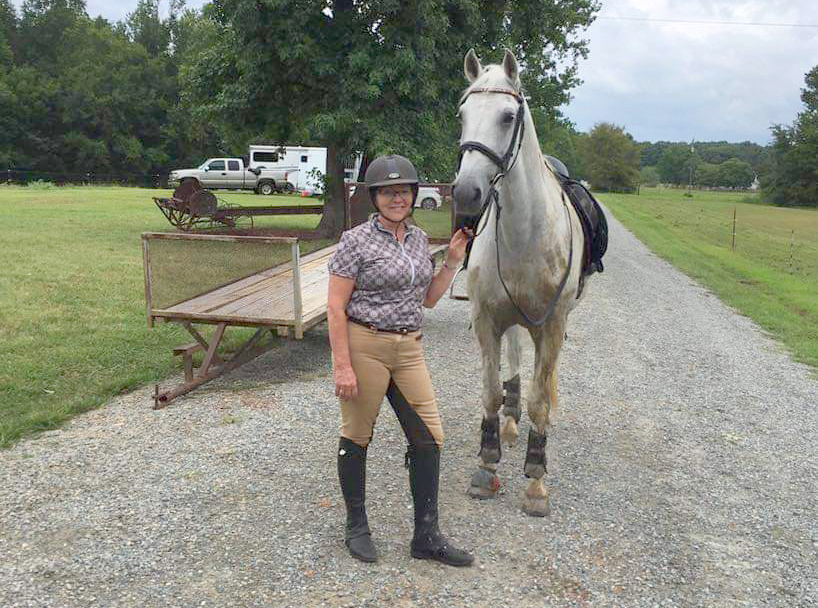
It was this crossroads in life that spurred Lockhead’s entrepreneurial spirit and led her down a challenging but equally rewarding journey in launching ThinLine—her globally recognized saddle pad brand.
ThinLine has become such a household name in the equestrian industry that many are surprised to learn that the company isn’t just another impersonal corporate entity. Instead, it was born out of hardship, a chance encounter, and Lockhead’s unwavering commitment to helping horses and riders and supporting fellow equestrian brands. Here, we look at the unlikely story behind her brand.
Zane-Inspired Ingenuity
As Lockhead focused her creativity on creating a product that would help both horses and riders, she reflected on her Lipizzaner Zane’s rotund conformation, which often caused saddle slippage and girth galls.
“He was my heart horse, but he was also one of the most difficult horses I’ve ever owned. His trot was the most difficult to sit, and we were often both unhappy under tack,” she said. “Nothing on the market seemed to solve the issues.”
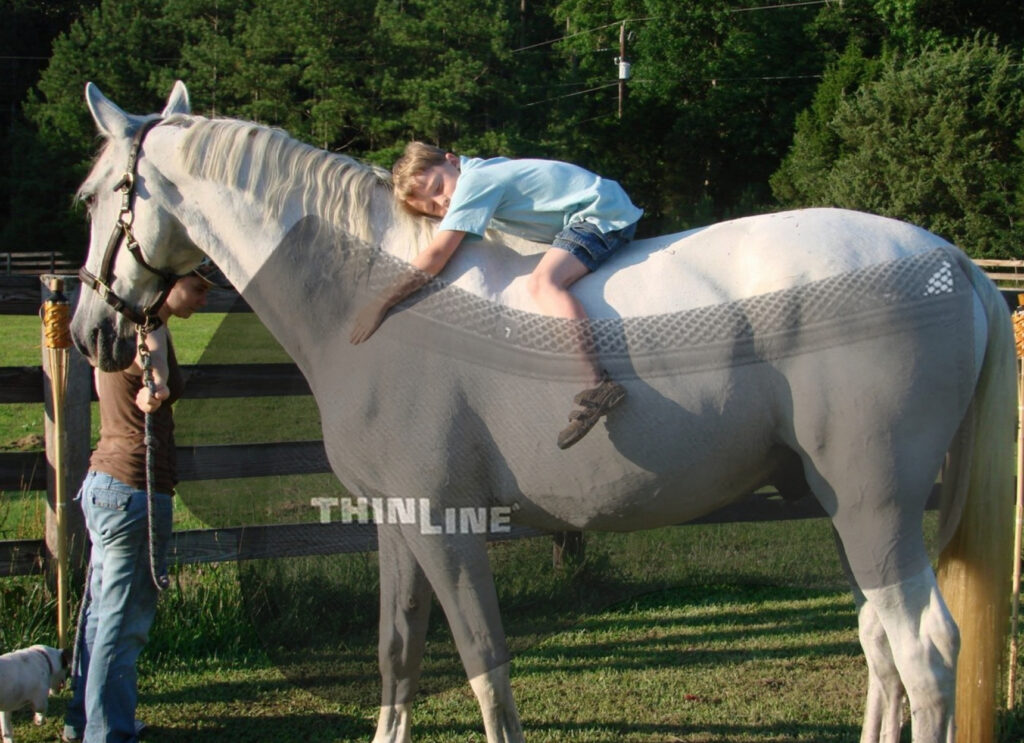
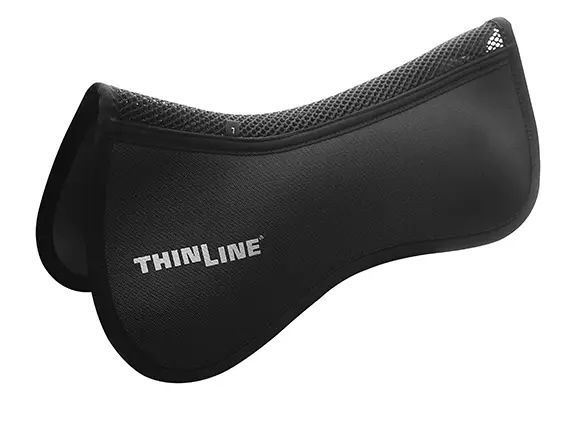
A chance encounter with a woman at the grocery store led Lockhead to befriend a contact in the footwear industry who helped her develop the ideal piece of saddle-pad foam to solve the problems she encountered with Zane. It was non-slip, shock-absorbing, thin for close contact and breathable.
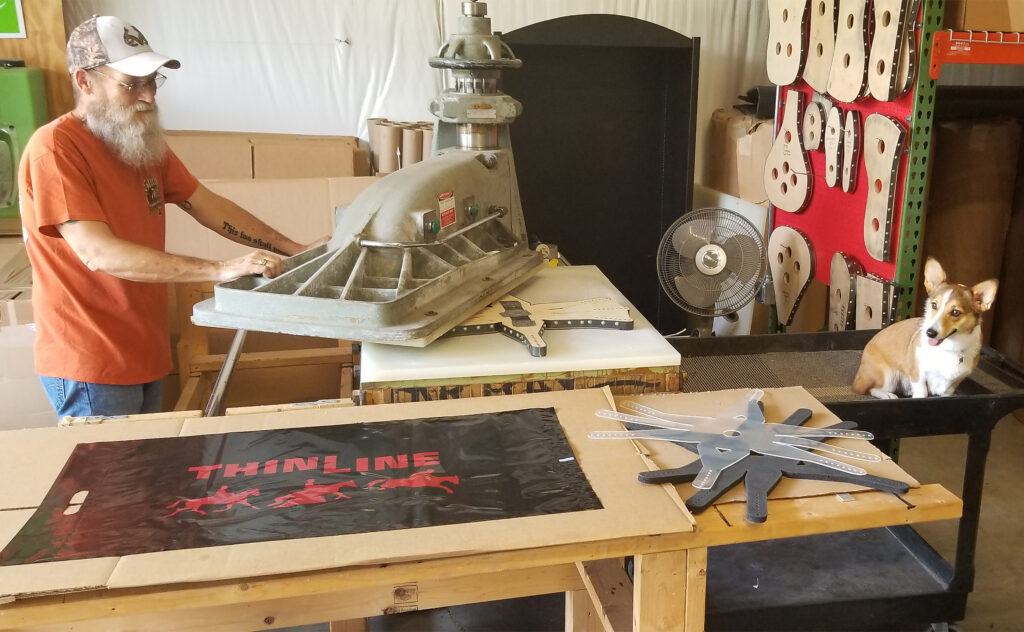
Lockhead had rolls of the foam shipped to her home, where she used a box knife to carefully cut the material into saddle-pad shapes and added the ThinLine logo. Once she’d made around 100 pads, she would pack her then toddler daughter Skyler into their tent-topped station wagon and drive to horse shows to sell their original prototype.
“As you can imagine, we were often the laughingstock of the trade rows. But, perhaps out of the kindness of their hearts, a lot of riders started buying my little pieces of foam. Maybe it was the complete lack of style and marketing that led people to give them a try,” Lockhead said with a laugh. “But riders began to swear by them.”
Following the mom-and-daughter’s early days of selling “sheets of foam,” or what they called ThinLine’s Basic Pad, they traded in their station wagon and traveling tent for an RV to peddle the products. As their customer base grew, Lockhead expanded her original design and began working the foam into traditional pads like sheepskin half-pads and full cotton pads. She also added the ability to shim her new designs to allow for a more custom fit for varying conformations.
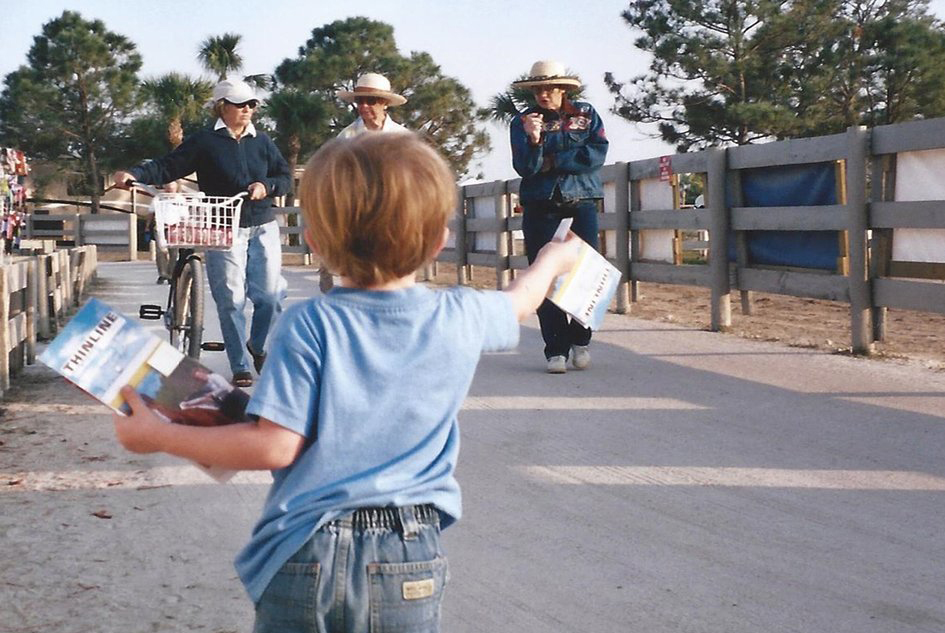
Despite the pads’ growing popularity, the next few years were flush with challenges—primarily, access to capital. Without access to funding or any personal wealth to shore up the company, Lockhead pitched her business to dozens of banks and investors.
“After many meetings, I finally found a bank willing to loan me $100,000,” she said. “This was the start of moving from a cottage craft to a real business.”
Turning Points
Eventually, Lockhead was able to secure a warehouse, sewing machines and a full-time manufacturing staff—all of which were pivotal to the company’s growth—but she found sourcing materials like half pads to pair with ThinLine’s signature foam harder than expected.
“It was important to me to have our products manufactured in the U.S., but there are some things that are impossible to get here. You really can’t find sheepskin or prepared cotton saddle pads in the U.S.,” she noted. “Finding reliable partners overseas and learning the ins and outs of international shipping and the important relationships you have to establish was complicated.”
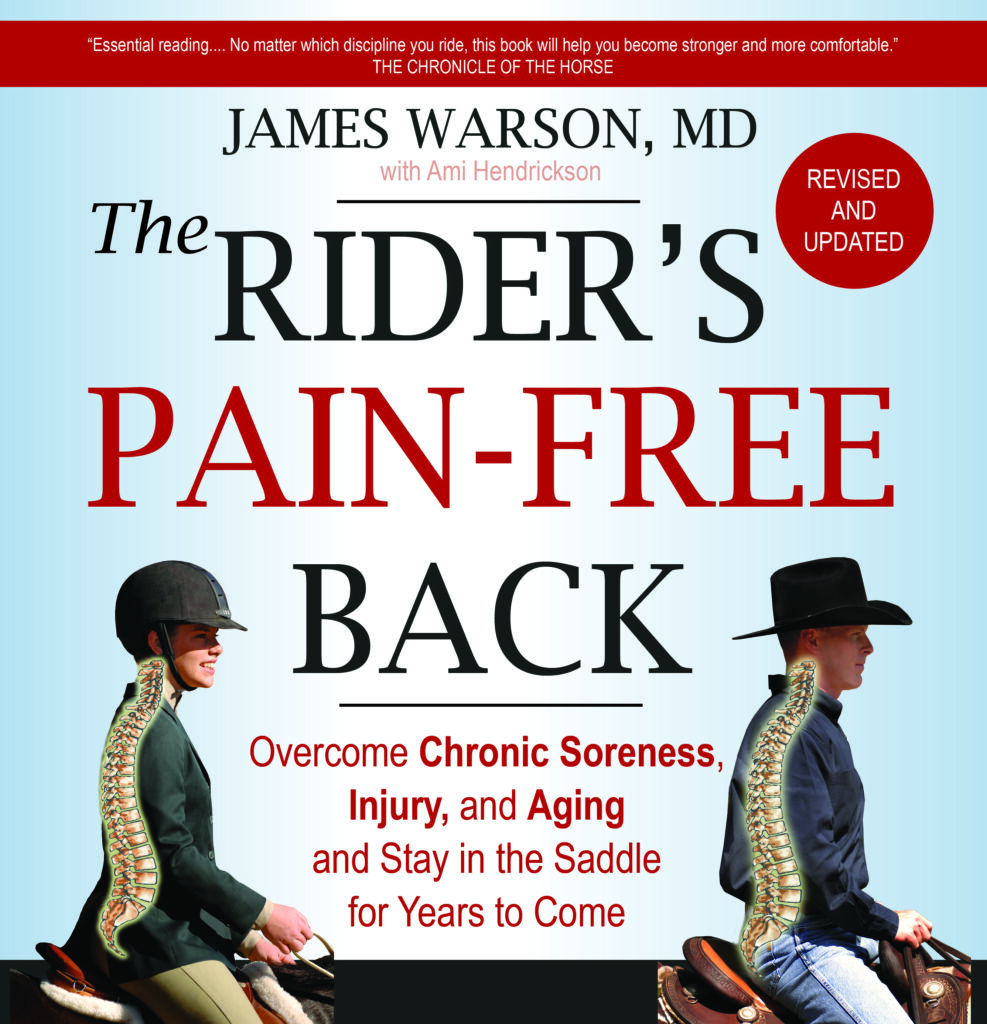
In 2009, ThinLine’s pads received a glowing review and recommendation from spinal surgeon and avid rider James Warson, M.D. In his book The Rider’s Pain-Free Back, Warson explains how combining two bodies in motion—human and horse—creates additional sources of potential back strain and concussive stress for riders.
“The technology and design of the ThinLine foam tackles this issue by providing both horse and rider with a means of reducing the shock inherent to riding,” he explained. “The breathable, non-compression, open-cell foam absorbs shock and concussion and eliminates pitch, roll and yaw better than anything else I’ve seen.”
From a marketing perspective, Lockhead said she struggled with how to convey her product’s benefits and noted the lack of available information on how horseback riding can help and hinder spine health.
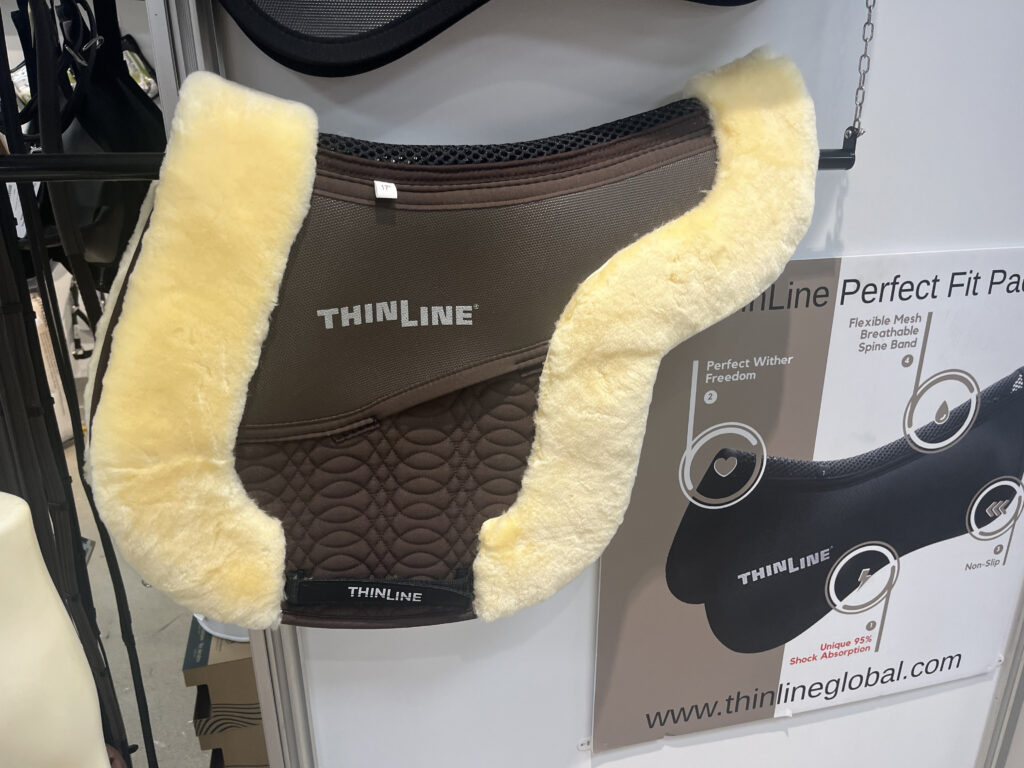
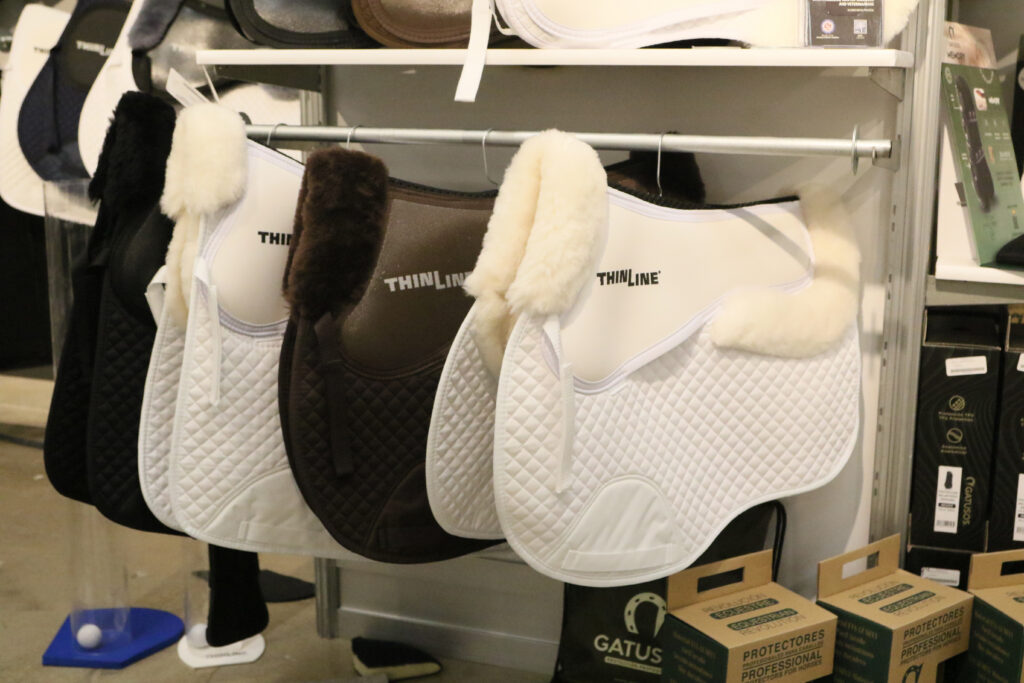
“The ThinLine foam is unremarkable when you see it in a store. Short of inundating consumers with testing data, which so many companies do, it was challenging to explain the benefits it offers,” she said. “I had never spoken with Dr. Warson, but after he rode in our pads, he started recommending them to his patients who were riders. This helped bridge the gap and give us the opportunity to help more riders and their horses.”
In an effort to support other disciplines, Lockhead partnered with Western saddle manufacturers Master Saddlers and saddle designer Tad Coffin to allow them to use ThinLine’s foam in the trees and seats of their saddles. “This was one of the moments where I watched others in the industry utilize the hard-won properties of ThinLine and make a name for themselves with it,” she said. “I could have refused to sell it to them, but my primary objective was to help horses and others.”
As ThinLine became a globally recognized brand, she watched other manufacturers replicate her products and, on some occasions, even buy out the components they needed to create their finished products. But Lockhead maintains that ThinLine has always been a small operation. Skyler, who’s now 24, works full time with her, along with six other employees—a consistent staff count since 2015.
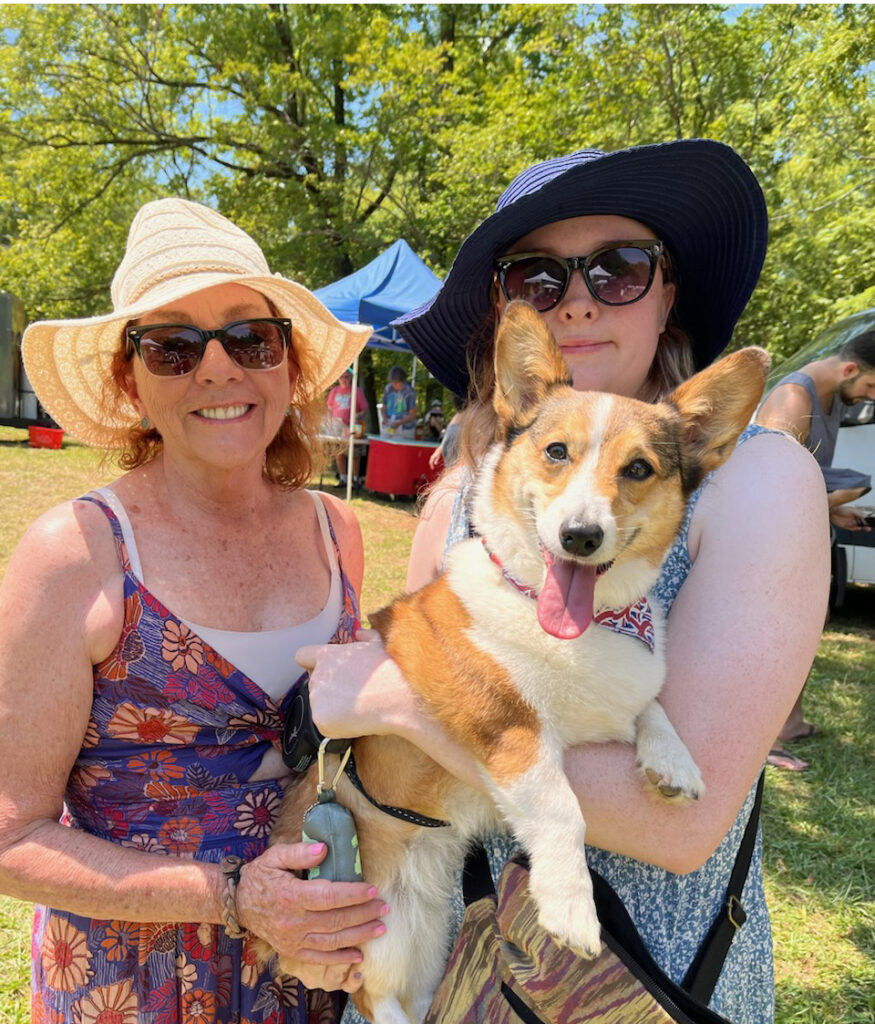
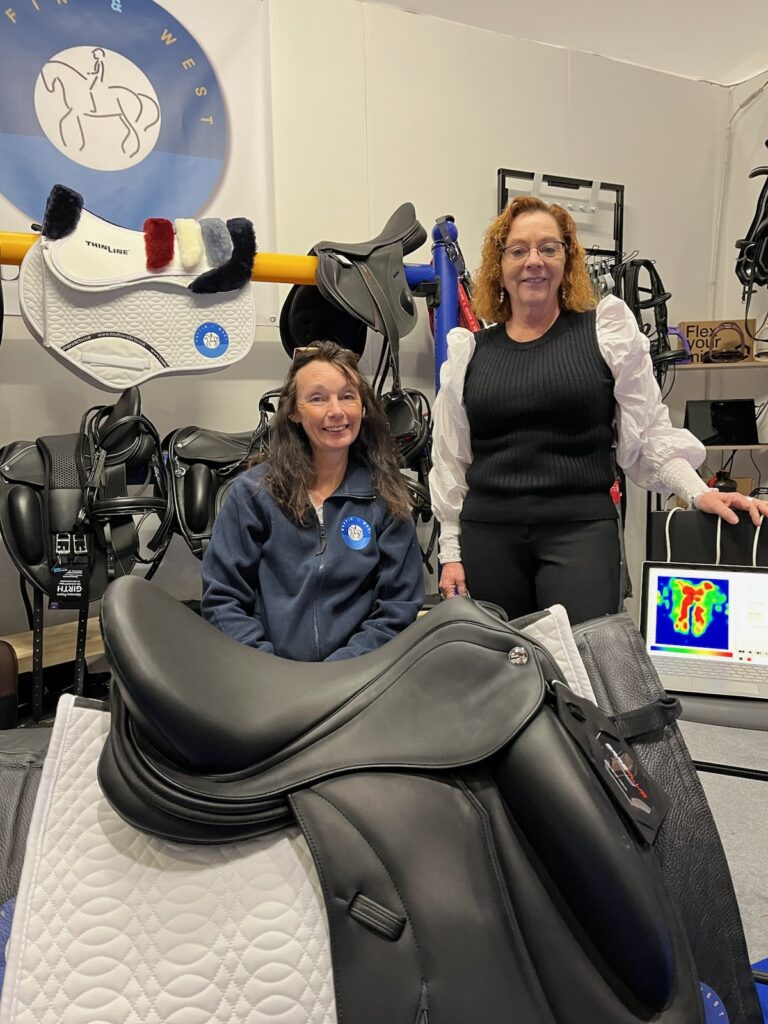
“I didn’t have the time or resources to go head-to-head with the big companies, so I focused on my origins and looked for other small companies I could collaborate with and support,” Lockhead said. “There are so many great people in this industry and so many great ideas, most of which never make it to market.”
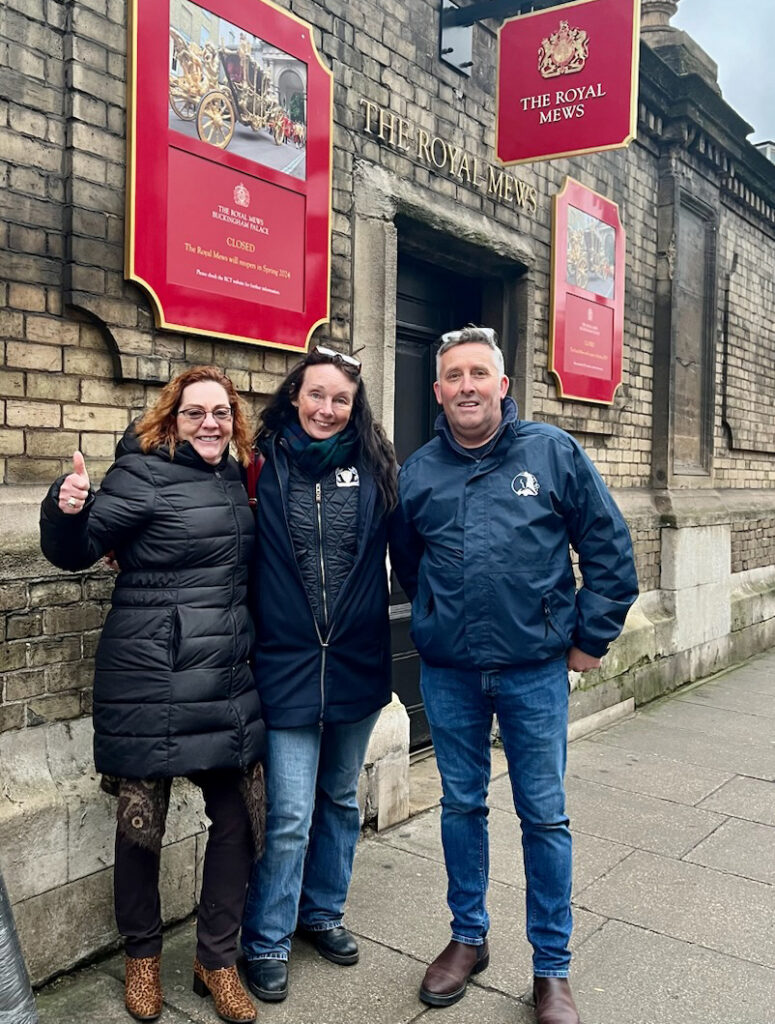
In another fortuitous partnership, Lockhead and one of ThinLine’s former lead sales representatives Antony Phillips had the opportunity to work with renowned U.K. saddle fitter Julia Duffin, owner of Julia Duffin Saddlekind, on ways they could improve their pad designs. During a trip to London, West introduced them to the Royal Saddlers at Buckingham’s Palace Royal Mews where they got to tour the internal workshop and discovered there were several ThinLine saddle pads in the tack room.
“That was one of the most exciting days of my life. It was such an honor,” Lockhead recalled. “Of course, photos weren’t permitted and no one was ‘allowed’ to say that Queen Elizabeth rode in a specific type of pad, but sure enough, there our pads were in the Royal tack room. I can only hope they helped the queen keep riding as long as she did!”
Paying It Forward
In 2019, after nearly two decades as ThinLine’s CEO, Lockhead shifted her focus toward passing on the wisdom she’d learned throughout her personal journey in manufacturing and design as a boot-strapped entrepreneur.
“I offered free coaching and wrote a blog to help others organize a strategy and shared my experience and knowledge with them on how to get a product from concept into production and into the market space,” Lockhead said. “Often, they proceeded on their own, but occasionally I got lucky and was able work with the inventor.”
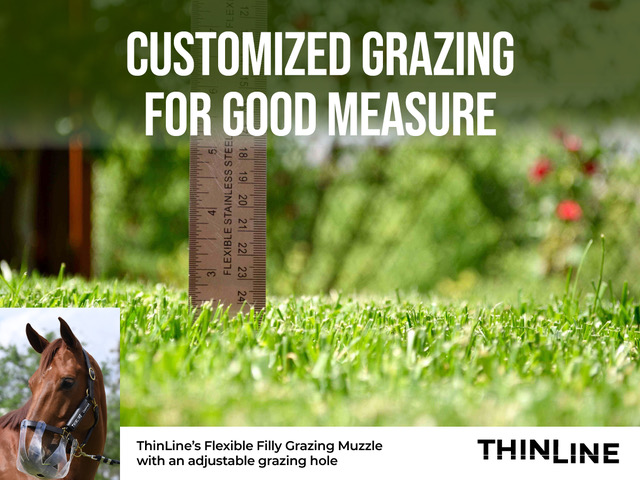
In one such successful collaboration, she partnered with Even Gerhardt in upstate New York to design the Flexible Filly Grazing Muzzle. Lockhead noted that traditional grazing muzzles tend to be heavy, rigid and archaic looking, and they can cause chafing and restrict airflow.
“We approached the design from the perspective of the horse’s comfort and safety and the owner’s peace of mind,” she said. “After several years of testing, we came up with a muzzle that’s effective, lightweight, flexible, durable and easy to care for.”
Another one of Lockhead’s favorite collaborations was with notable Saddle Seat rider and trainer James Paden. Together, they created the Busy Buddy—a simple “rope” tool that provides drug-free relaxation for anxious or mouthy horses when attached to the halter.
“What makes it one of my heart pieces is the fact that it’s assembled at Person Industries—a rehabilitation program that trains people with disabilities for jobs in the community—in Roxboro, North Carolina,” Lockhead said. “While this product carries little to no financial profit, it creates a lot of feel-good wealth for me.”
Choosing Partnership Over Competition
Lockhead is passionate and outspoken about supporting small equestrian brands and the challenges they face in a competitive market. She continues to seek collaboration over competition with standout fledgling companies and was especially impressed with Emily Factor, the creative vision behind the saddle pad brand Sixteen Cypress.
“Emily has an eye for design unmatched by anything else I’ve ever seen. Her brilliant patterns, attention to detail and exceptional quality made me want to be a part of what she does,” Lockhead said. “We decided to blend the best of our small companies to create the pinnacle of innovation and craftsmanship. In working together, we were able to pool our resources and allow each other’s talents to shine.”
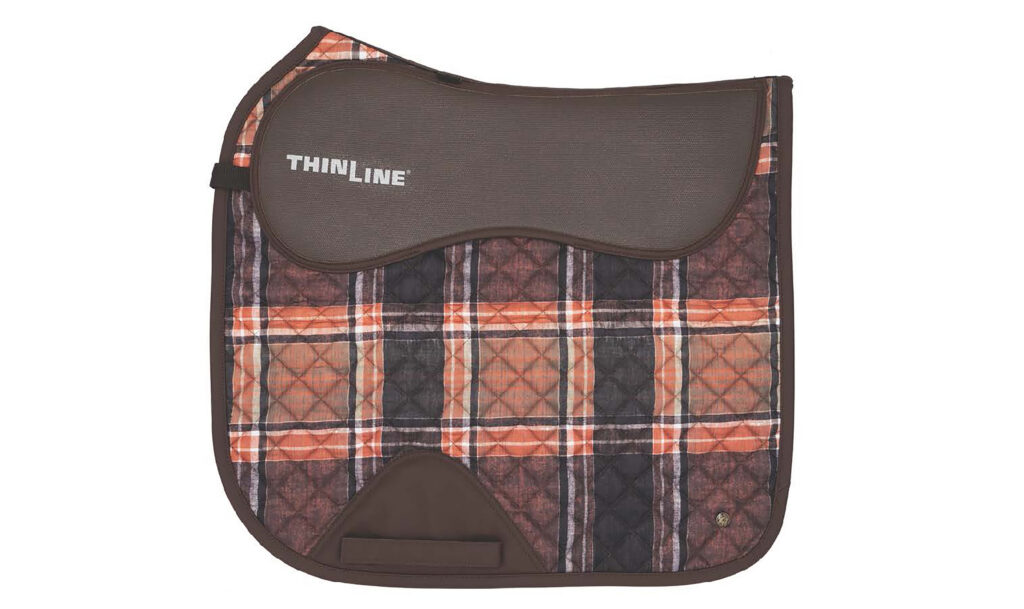
ThinLine’s in-house sewing and prototype teams enabled the partners to rapidly produce the collaborative pads, while Factor’s expertise in textiles, fiber behavior and fabric structure, breathability and durability ensured the pad perfectly fused ThinLine’s shock-absorbing, non-slip, shimmable half pads with the sophisticated style and design of Sixteen Cypress’ customer favorites.
By the fall of 2025, the ThinLine x Sixteen Cypress Field Plaid Pad was on the market. Designed for performance and longevity, the pad features a durable leatherette binding, breathable sport mesh interior for enhanced airflow, and an anatomically contoured spine for clearance and freedom of movement.
Always game to be in the saddle no matter the discipline, Lockhead tried Western riding a few years ago and enjoyed it so much she made a switch from riding English. “I love learning new disciplines, and as entrepreneur I’d always wondered how segmented the equestrian market is,” she said. “There’s almost no space where you can advertise horse products at large other than pharmaceuticals or feed.”
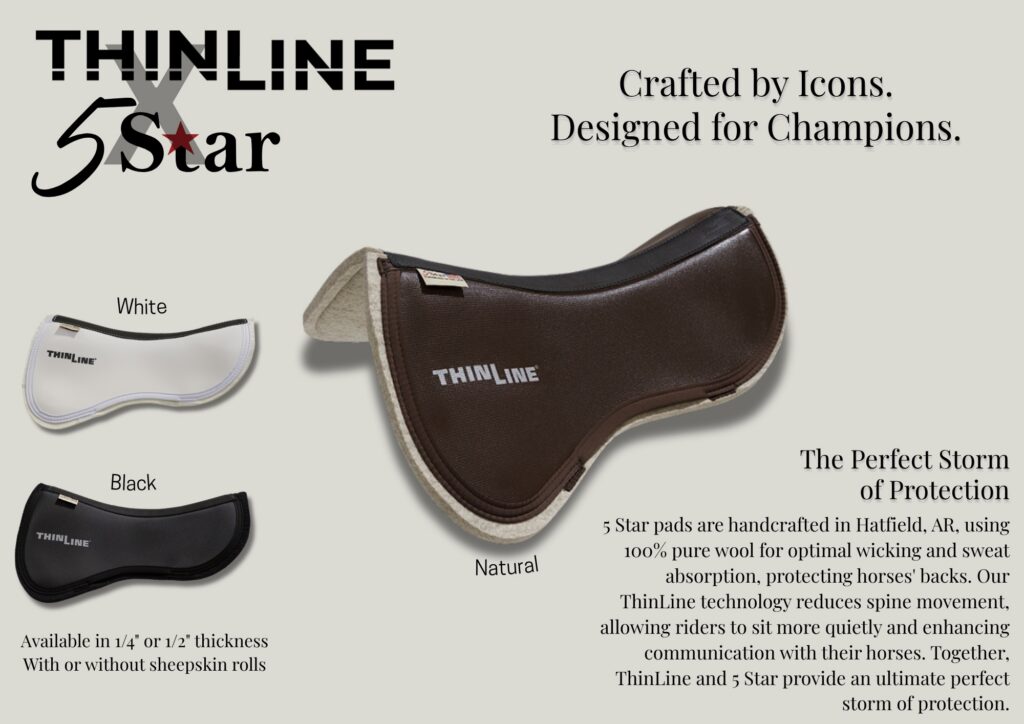
With this in mind, Lockhead began searching for a Western saddle pad company that was small, family-owned, made in the U.S. and with a stellar reputation for making quality pads. She said the choice was easy: 5 Star Saddle Pads based in Hatfield, Arkansas, was a clear standout.
“I reached out to them to see if we could collaborate to combine their extraordinary felt and felt-design process with ThinLine,” she said. “In November 2025, we launched the English 5 Star ThinLine Half Pad line and hope to launch the Western line later in 2026.”
Lockhead notes that there are inevitabe bumps in the road when trying to bring an equestrian product to market. Over the past few decades, she’s found that success has to do with the partners she chooses to collaborate with and the common goals they share.
“At the end of the day, whether the product is successful from a financial standpoint is not nearly as important as creating good relationships, breaking down social barriers, and showing others that you’re there to support them,” Lockhead said. “That’s my idea of success. And in today’s frayed society, it’s so wonderfully refreshing to support each other.”
For More:
Read more about interesting and innovative equestrian brands and businesses here.