




 Video
VideoThere has been a lot of discussion lately about the growing divide in our sport between top-level competitors with deep pockets and those without. In reality, I believe this has been happening for quite some time. More people are simply becoming aware of it, and perhaps the gap is wider than ever before.
The cost of quality horses has skyrocketed, and the expense of competing on the national circuit continues to climb, making it increasingly difficult for many riders to participate. No one should ever feel ashamed or “less than” because they choose a more financially responsible path.
Horseback riding offers incredible benefits physically, mentally, and socially. Winston Churchill is often credited with saying, “There is something about the outside of a horse that is good for the inside of a man.” I have always believed that to be true.
By nature, I tend to be an optimistic person. I like to make lemonade out of lemons. My first reaction to the challenges facing our sport is to encourage riders to make the very best of the situation they’re in.
Developing Horses and Showing Locally
Personally, I have always found tremendous satisfaction in developing horses. There is something incredibly rewarding about taking a horse who isn’t finished, investing the time and effort, and watching him progress. I naturally believe others can find that same fulfillment. Sometimes, simply becoming a better rider with adjusted expectations can be enough to keep us motivated, regardless of our age.
Imagine taking a green horse and patiently bringing him along until he is ready for a local horse show. That accomplishment can be every bit as rewarding as winning on a much bigger stage.
Working with an inexperienced horse certainly isn’t easy. It requires patience, consistency, and determination. But with the right guidance and realistic goals, it is absolutely achievable. While regular instruction is always beneficial, you don’t have to ride with your trainer several times each week to make meaningful progress. One quality lesson every week or two, combined with thoughtful, purposeful rides between lessons, can produce tremendous results.
One of the best ways to maximize each lesson is to leave with a plan. Ask your trainer to give you two or three specific exercises or goals to work on during your independent rides before your next lesson. Having that direction helps every ride become productive and allows both horse and rider to continue progressing between lessons instead of simply riding without purpose.
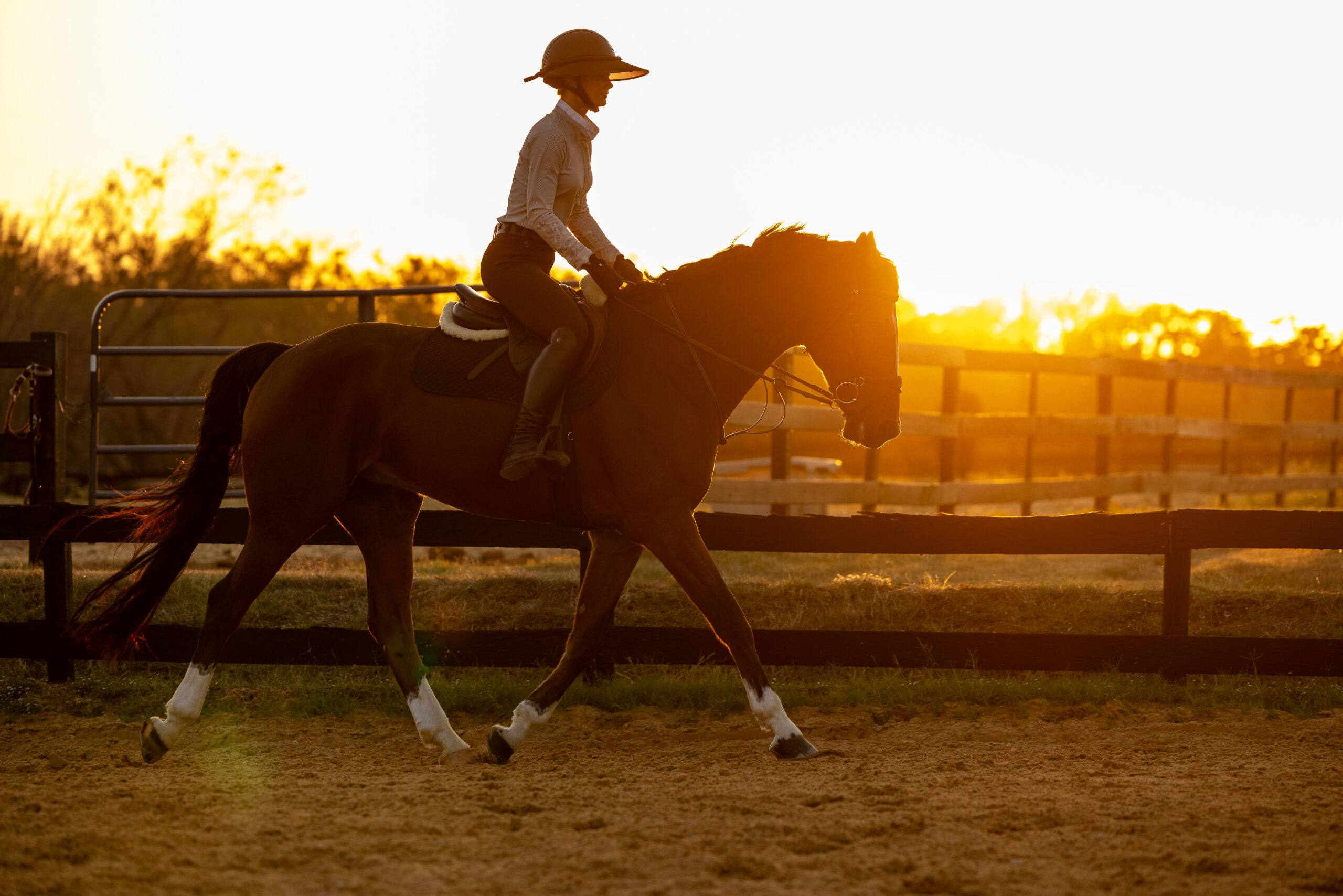
For a green horse, not every training session has to happen under saddle. Groundwork lays the foundation for trust, respect, confidence, and communication. Simple exercises such as leading correctly, yielding the hindquarters and shoulders, backing, longeing with purpose, introducing obstacles, and desensitization all help develop a horse mentally and physically before you climb into the saddle. Many challenges are easier to address on the ground than under saddle, and those lessons often carry over beautifully into ridden work.
Technology has also become one of the most valuable—and affordable—training tools available. Ask a friend to video your rides, or set up your phone in a safe location outside the arena. Watching yourself ride often reveals things you simply can’t feel while you’re riding. Better yet, share those videos with your trainer, who can often provide feedback between lessons. Video review allows riders to continue learning long after the lesson has ended.
I also believe we’ll continue to see more quality competitions offered at the local level. Here in Georgia, we are fortunate to have an outstanding show facility that offers many of the same amenities as Tryon, the Winter Equestrian Festival, and the World Equestrian Center, just on a smaller scale. The entry fees, office fees, and overall expenses are much more manageable, and the staff is incredibly welcoming and supportive.
What an incredible achievement it would be to develop your own horse and confidently walk into the ring at a show like that.
Finding Educational Opportunities
Today, there are more affordable educational resources available than ever before. Some trainers may be willing to exchange lessons for barn work, much like many of us experienced years ago. Becoming a working student remains one of the best ways to gain valuable experience while helping offset the cost of lessons.
Riders can also expand their knowledge by auditing clinics, volunteering at local horse shows, or assisting at equine adoption and rescue facilities. Every horse you watch, every lesson you observe, every question you ask, and every opportunity to lend a hand teaches you something. There are still tremendous opportunities for riders who are willing to work hard, stay curious, and never stop learning.
Whether you take weekly lessons, ride independently between lessons, or simply spend time observing experienced horsemen, there is always something to learn. I can still remember standing by the schooling ring as a child, watching riders prepare for their classes. Then I would follow them into the show ring to see how their preparation translated into their performance. Those moments became some of my greatest learning experiences.
Perhaps you develop a horse, sell him to a good home for a modest profit, and use that money to purchase another project horse. Over time, not only do you become a better horseperson, but you also create opportunities that may not have existed otherwise.
I honestly can’t think of a more rewarding experience than discovering an overlooked horse and helping him reach his potential. There is an incredible sense of pride that comes from knowing your hard work, patience, and dedication made the difference.
Success in our sport has never been determined solely by the size of someone’s budget. It comes from being resourceful, setting realistic goals, surrounding yourself with knowledgeable people, and making the most of every opportunity to learn. Sometimes the sweetest lemonade comes from appreciating what you have, maximizing every opportunity, and discovering that determination, patience, and good horsemanship are worth far more than the biggest budget.
To me, that’s the real recipe for lemonade.
For More:
Click here to read more articles from Holly Hugo-Vidal.
Practical Horseman+ members can watch training videos with Holly Hugo-Vidal. Not a member? Click here to sign up and gain access to exclusive content.
About Holly Hugo-Vidal
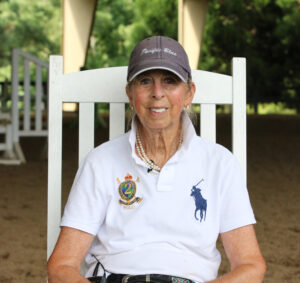
Trainer, judge and clinician Holly Hugo-Vidal is based out of Brownwood Farm in Milton, Georgia. Her mentors include former husband Victor Hugo-Vidal, with whom she ran successful show barn Cedar Lodge Farm in Stamford, Connecticut; and show jumper Rodney Jenkins. She is the author of the book “Build Confidence Over Fences!”