


 Video
VideoLeasing a horse can have positives as well as drawbacks—both for the person leasing out the horse (the “lessor”) and the person leasing the horse (the “lessee”). We’ve all heard horror stories about owners getting a horse back from a lease to find him unsound or that he’s developed bad habits. At the same time, lessees can find themselves in a predicament if the horse is injured during the lease or turns out to be “not as advertised.”
On the flip side, there are many benefits to leasing. For horse owners, it means you’re able to retain ownership of your horse while allowing him to continue to do a job he loves. If you’re financially strapped, there’s also the added bonus of potentially earning extra income from your horse or covering the cost of ownership without having to sell him. It’s crucial, however, that you balance the benefits of leasing with potential pitfalls.
While leasing a horse once or over multiple years can prove financially advantageous, the lessor’s profit may dwindle quickly if the duration between the next lease is lengthy. Ownership in between leases can be costly, especially if your horse is boarded. The lessor should consider both short- and long-term goals when deciding to lease a horse.
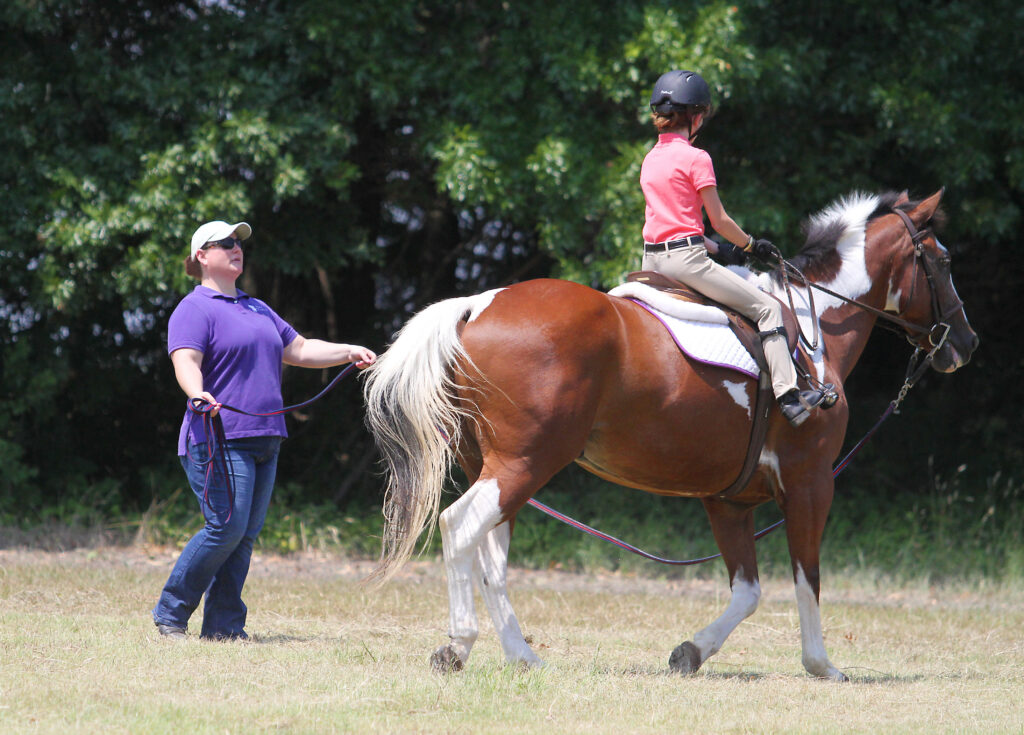
For lessees, the ability to move to a different horse as your skills advance can be helpful, especially for young riders advancing to new levels. Additionally, having a horse for a limited amount of time can be ideal for individuals who can only commit to riding or using the horse for a certain period of time. Similarly, some leases include the option to purchase the horse during the course or at the end of the lease period. This can be a huge benefit for riders who want to ensure the horse is a good fit before purchasing and making a long-term commitment.
The All-Important Lease Contract
However, because the lease of a horse involves the temporary transfer of control and use of a horse, commonly in exchange for a lease fee plus all maintenance costs, there will always be a level of risk associated with the leasing out or leasing of a horse. The majority of what a lessor and lessee can do to protect both themselves and the horse relates to having a detailed lease contract signed prior to the start of the lease.
The lessor and lessee should consider including the following elements in a lease contract and come to an agreement on the details before signing on the dotted line.
The trainer and facility: When deciding whether to lease out your horse, the two most important factors to consider are the stable he’ll be going to and the trainer who will be responsible for managing his training and showing program. Research the qualifications and reputation of the trainer who will be in charge of your horse and ensure the lease contract specifies which which trainer is responsible for him and that any change in trainer can only occur with prior written approval.
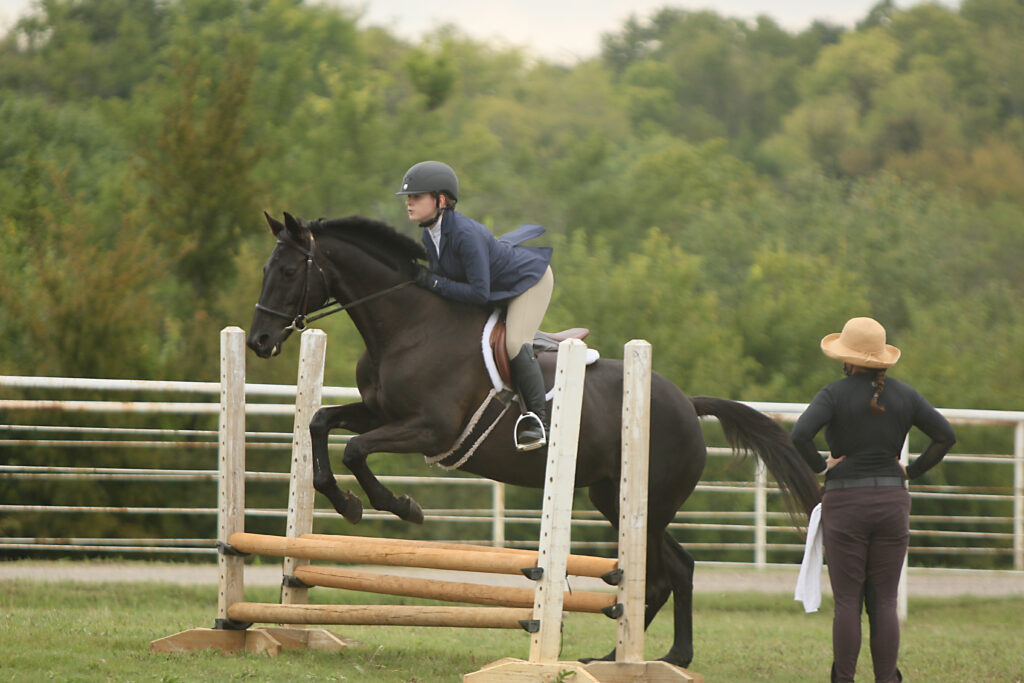
Restrictions on use: This is your opportunity to put in writing anything you don’t want your horse to be used for or that exceeds his abilities and puts him at greater risk for injury. For instance, how high are you comfortable with him jumping? If you prefer your horse never jumps higher than 3-foot-6, have that written into the contract. If you only want him ridden in hunter and equitation classes, include that as well. You may also want to limit the number of shows your horse competes in every month, as well as who is approved to ride him. Consider everything you’re not comfortable with him doing and include it in the lease.
Quality of care: The lease contract also provides the lessee with the opportunity to spell out the standard of care the horse is expected to receive. For example, if you want your horse to be shod every six weeks, this can be included. The contract can also elaborate on specifics such as “the horse should always be ridden in boots; the horse should wear a sheet or blanket any time temperatures drop below 50 degrees Fahrenheit” and so on. Again, this is a golden opportunity to put into writing anything that would be pertinent and helpful in ensuring quality care of your horse throughout the lease term.
In case of injury: Any good lease contract should include information on what happens if death, injury or illness occur. While unpleasant to think about, these situations do arise, so all parties need to be prepared. In the case of lameness, who is responsible for the vet bills? If there is a known pre-existing health condition that could potentially cause future lameness (for example, navicular in the right front that hasn’t caused a problem yet) this can be incorporated into the contract as reason to terminate the lease and return the horse.
Will the lessee have the option to return the horse and terminate the lease early if the horse becomes unsound for other reasons? In the tragic but possible case of death, what is the responsibility of the lessee (see insurance requirement below)? There’s a lot to consider in these situations, and it should be well articulated in the contract and discussed thoroughly with all involved parties before the lease is signed.

Insurance: In this same vein, insurance requirements must be included in the lease contract. If the horse is insured prior to the lease, the contract might state that the lessee must continue to pay for the horse’s insurance coverage. If the horse is not insured, the contract must require the purchase of mortality and/or major medical insurance for the duration of the lease. Without major medical and an agreed upon mortality payoff, both parties can be left with an unsound horse or a horse that has passed away, along with unpaid veterinarian bills.
Leasing Takeaway
Leasing is an important part of equestrian sport. Young riders outgrow horses both physically and performance-wise, and older riders may not be a in a position to take on the permanent responsibility of owning a horse. The good and the bad of leasing is that you give the horse back at the end. When all goes well, it is a win-win for both parties.
About Our Experts
Armand Leone, Jr., MD, JD, MBA, and attorney Jessica E. Choper of Leone Equestrian Law provide legal services and consultation for equestrians, ranging from riders and trainers to owners and show managers in the FEI disciplines on a wide variety of issues. Learn more by visiting www.equestriancounsel.com.