




 Video
VideoThe biggest difference between hunters and jumpers is the way the classes are judged. In the hunter ring, judges evaluate horses subjectively based on their style, movement, conformation (in some classes) and overall picture, as well as on the quality of the rounds themselves. In the jumper divisions, judging is entirely objective, based on faults incurred for refusals, runouts, rails down, falls and seconds over the optimum time. Quite simply, the difference between first and second in a hunter round is a personal judgment; in the jumper round, the fastest clean round always wins—regardless of style.
Hunter classes were originally designed to test the qualities necessary in a field hunter: excellent manners, efficient and comfortable gaits and a good, safe jumping style. They represent the more artistic side of the industry. Jumper classes, on the other hand, involve the more “spills-and-thrills” side of the sport, requiring boldness and athleticism in both horses and riders.
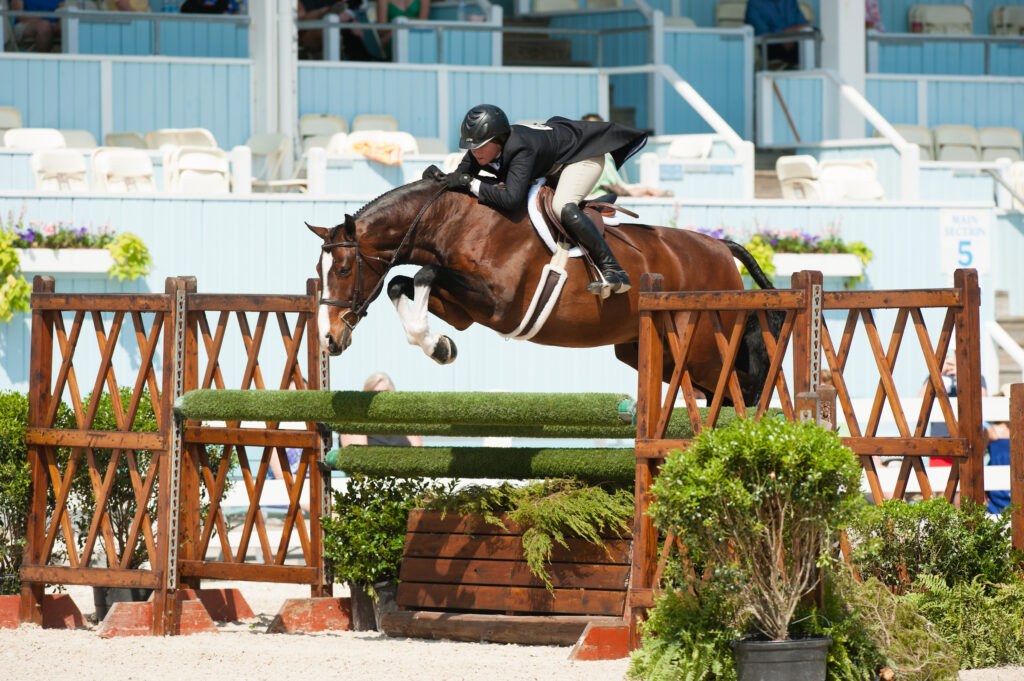
Because of its straightforward scoring system, show jumping is usually easier for beginners to appreciate. For hunters, riders must be interested in the very detailed, artistic process of producing good performances and competing for their own satisfaction. (A lovely round in your eyes may not always be a lovely round in the judge’s eyes!) Lower-level hunter classes were once considered the best jumping-off point for either sport. Now, starting off in the jumpers is also a very viable option because the jumper divisions include classes for even the lowest-level beginner riders.
The equitation division—which, like the hunters, is judged subjectively, but on the basis of rider performance rather than the horse’s—is also a good starting-off point. While some people see equitation as an end in itself, the class was designed to instill interest and a solid foundation in riders, enabling them to successfully go on to compete in the hunters or jumpers or both.
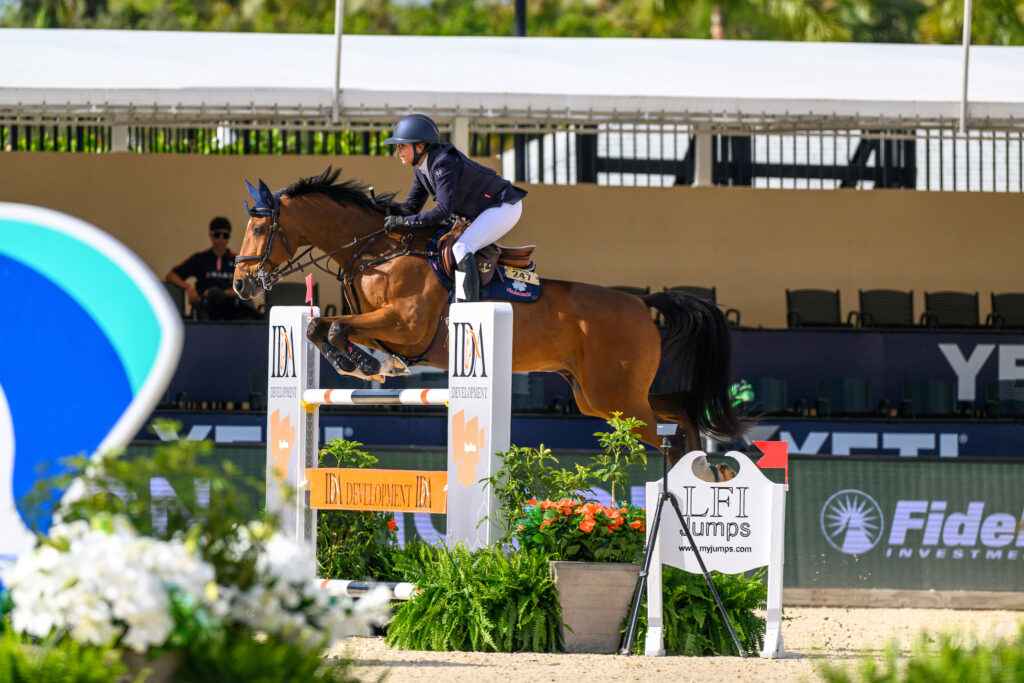
Some people have the misconception that jumpers require less carefully honed skills and style than hunters and that all you need to do to succeed in the jumper ring is to “get over the jumps and go fast.” But the jumpers require horses who are as good, if not better, and riders who are at least equally skilled and sophisticated. At the top levels of either sport, it’s artistry that prevails.
Of the two, only show-jumping is an Olympic sport. But growing exposure and prize money have drawn more attention to big hunter classes in recent years.
This article first appeared in the July 1999 issue of Practical Horseman magazine.