


 Video
VideoThis article is brought to you by Mad Barn.
It often starts quietly. A rib that is easier to see after a cold snap. A senior horse who cleans up every meal but still loses softness over the hindquarters. A fit performance horse who is eating well, yet never quite fills out over the back. The first instinct is understandable: Add more feed.
But healthy weight gain in horses is rarely solved by one extra scoop of grain. More calories can help, but the source of those calories and the horse’s ability to use them matter just as much. A horse with low-quality forage, poor chewing efficiency, hindgut disruption, gastric discomfort or inadequate amino acid intake may not respond predictably to a larger concentrate meal.
That is why equine nutritionists usually begin with a more practical question: What is limiting this horse’s condition? For many horses, the answer is insufficient digestible energy. For others, it is poor feed efficiency, reduced appetite, or a lack of the amino acids needed to build and maintain muscle.
Common Reasons Horses Lose Condition
Weight loss and poor condition can develop for many reasons, and several may be present at the same time. A horse in a calorie deficit is expending more energy than he consumes. This is common in hard keepers, senior horses, exercising horses, lactating mares, growing horses and horses exposed to cold weather or stress.

Forage quality and feeding management can also be limiting. Mature, low-quality hay may not provide enough digestible energy. Social competition, inconsistent meals, long periods without forage and limited water or salt intake can all reduce feed efficiency.
Health factors must also be considered. Dental disease can prevent effective chewing. Parasite burdens can reduce nutrient availability and irritate the digestive tract. Illness, pain, gastric ulcers, hindgut dysfunction and age-related changes can all affect appetite, digestion and nutrient use.
Finally, poor condition may reflect inadequate muscle rather than inadequate fat. A horse with poor topline may need better amino acid supply, correct work and a balanced diet more than he needs a larger grain meal.
When to Call the Veterinarian
A feeding adjustment is not a substitute for veterinary evaluation when weight loss is unexpected, rapid or persistent. Call your veterinarian if your horse continues to lose condition despite adequate forage and appropriate diet changes, or if weight loss is accompanied by reduced appetite, slow eating, dropping feed, difficulty chewing, loose manure, recurrent digestive upset, lethargy, pain, poor performance or muscle loss.
Your veterinarian can help determine whether the problem is primarily nutritional or whether dental disease, parasites, ulcers, chronic pain, hindgut disease or another medical concern is involved.
Why Grain Is Not Always the Answer
For generations, horse owners have reached for more grain when a horse needed condition. Grain can raise calorie intake, and in some programs it has a place. But large, starch-heavy meals can create problems for horses that are metabolically sensitive, reactive on high-concentrate diets or prone to digestive upset.
Fat offers another route. It supplies more energy per gram than carbohydrates or protein, allowing the horse to consume meaningful calories without a major increase in feed volume. That is especially helpful for hard keepers, senior horses and horses in regular work that need more dietary energy but do not tolerate large concentrate meals well.
Fat-based calories are often called “cool calories” because they add energy without the same starch load associated with many grain-based feeds. For many horses, that makes a fat supplement a practical first choice when the primary goal is weight gain or weight maintenance.
Does Your Horse Need a Weight-Gain Supplement?
Healthy body condition is more than appearance. It reflects energy reserves, muscle mass, immune function, performance potential and the horse’s ability to recover from work, weather and stress. When condition begins to slide, the reason may be obvious. A horse in heavy work may simply be burning more calories than he receives. A lactating mare or growing young horse may have higher nutritional demands. A hard keeper may need a more calorie-dense ration during winter.
In other horses, the picture is less straightforward. Dental disease can reduce chewing efficiency. Parasites, illness, pain and chronic stress can all interfere with condition. Poor forage may leave the horse short on digestible calories even when hay is available. Digestive dysfunction can limit how much usable energy the horse extracts from feed. And in some cases, the horse is not underweight as much as under-muscled.
A weight-gain supplement is most useful when the current forage and feeding program cannot provide enough digestible energy or when a targeted nutritional gap is holding the horse back. The goal is not simply to make the bucket bigger. The goal is to match the supplement to the horse’s actual limitation.
In horses without an underlying medical issue, the foundation remains a balanced, forage-based diet that provides adequate calories, high-quality protein, vitamins, minerals, water and salt. Supplements work best when they support that foundation rather than trying to replace it.
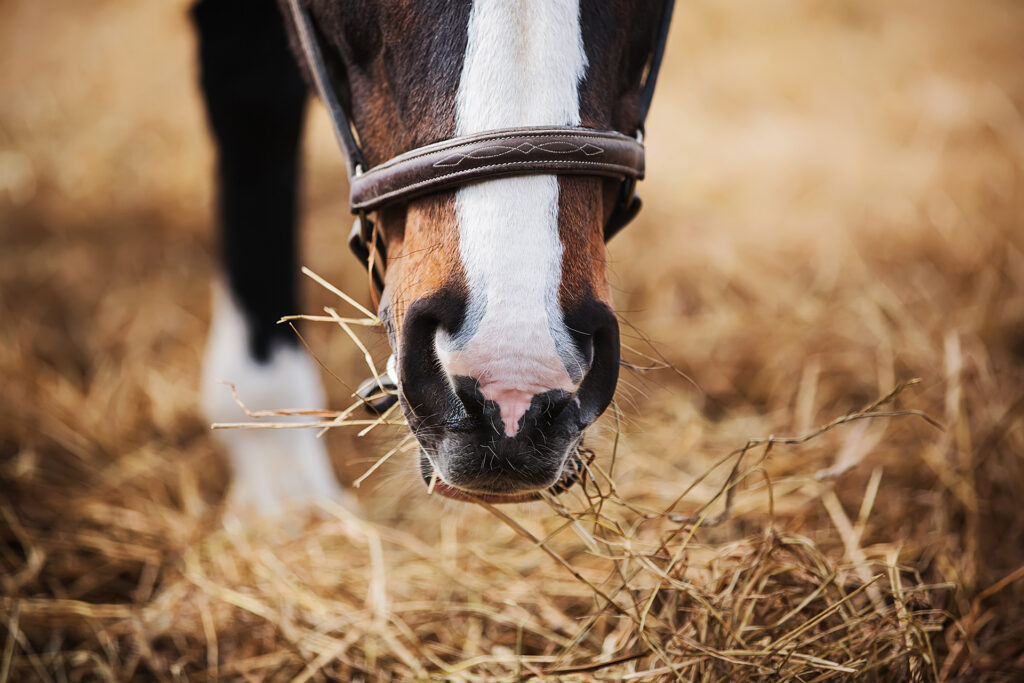
W-3 Oil: Best Overall Weight-Gain Supplement
For most horses that need more calories, W-3 Oil is the strongest overall choice because it provides a high-calorie, low-starch way to support body condition. A 100-gram serving provides approximately 900 calories from fat, making it an efficient option for horses that need extra energy without extra feed bulk.
The formula goes beyond plain oil. W-3 Oil combines flax oil and soybean oil with added DHA and natural vitamin E. DHA is a long-chain omega-3 fatty acid that supports normal inflammatory balance, joint health, skin and coat quality, immune function and overall wellness. Natural vitamin E provides antioxidant support, which is especially important when more unsaturated fat is added to the diet.
This combination makes W-3 Oil more complete than feeding plain vegetable oil alone. It is palatable, cost-effective and easy to add to most feeding programs. For horses in work, senior horses, hard keepers and horses that do better on lower-starch diets, it offers a straightforward way to increase digestible energy.
W-3 Oil is ideal when your horse needs:
- More calories to support weight gain or weight maintenance.
- A low-starch energy source that reduces reliance on grain, sweet feed or large concentrate meals.
- Omega-3 fatty acid support for joints, skin, coat, immune function and normal inflammatory balance.
- Natural vitamin E to support antioxidant protection when adding fat to the ration.
- A daily supplement that is palatable and easy to feed consistently.
For best results, W-3 Oil should be used as part of a balanced diet that also supplies adequate forage, protein, vitamins, minerals, water and salt.
Visceral+: Best for Appetite and Stomach Support
Some horses lose condition because they are not eating enough to meet their needs. The reason may be travel stress, inconsistent intake, picky eating or digestive discomfort. The stomach is a common source of abdominal discomfort in horses, and gastric irritation can contribute to reduced appetite, girthiness, tension and poorer feed intake.
Visceral+ is the best choice in this article for horses that need support for appetite, gastric function and abdominal comfort. It is designed to help maintain a healthy stomach environment while supporting normal digestive function.
The formula provides lecithin to help maintain the stomach’s protective lining, nucleotides to support healthy gastric tissue, glutamine as an energy source for digestive tract cells, and mannan-oligosaccharides that support mucin production in the gut.
For horses that need additional calories, Visceral+ can be used alongside W-3 Oil. In that pairing, W-3 Oil supplies concentrated dietary energy while Visceral+ supports the stomach and gut environment needed for more consistent intake and comfort.
Visceral+ is most appropriate when your horse:
- Has low or fluctuating appetite.
- Shows signs of stomach sensitivity or abdominal discomfort.
- Is at higher risk of gastric ulcers or stress-related digestive disruption.
- Needs support for both stomach and intestinal health.
Optimum Digestive Health: Best for Feed Efficiency
A horse can eat enough feed and still struggle to maintain condition. In those cases, the issue may be less about what goes into the bucket and more about how efficiently the horse digests and uses what he eats.
Much of the horse’s usable energy comes from hindgut fermentation. Microbes in the cecum and colon break down fiber from hay and pasture into volatile fatty acids, which the horse absorbs and uses as an energy source. When microbial balance is disrupted, fiber digestion and nutrient utilization can suffer.
Optimum Digestive Health is the best supplement in this review for horses that need support for feed efficiency, nutrient utilization and hindgut function. It does not supply calories directly in the way an oil does. Instead, it supports the digestive environment that helps the horse make better use of forage, feed and supplements already in the ration.
The formula includes probiotics to support beneficial hindgut microbes, prebiotics that serve as a food source for those microbes, yeast and fermentation products to support fiber-digesting bacteria, digestive enzymes to help break down feed components, toxin binders and ingredients that help maintain hindgut stability during stress, travel, dietary change or inconsistent forage intake.
For horses that also need more calories, Optimum Digestive Health can be paired with W-3 Oil. One product increases energy intake; the other supports the digestive function needed to use the overall diet more effectively.
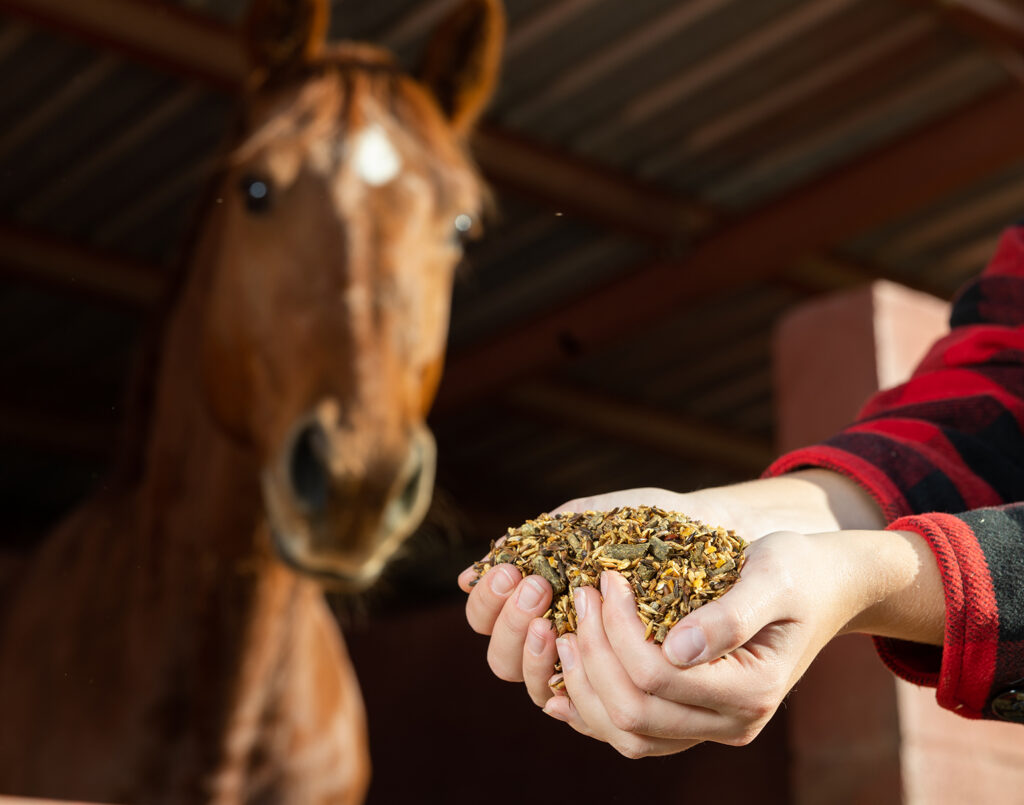
Optimum Digestive Health is most appropriate when your horse:
- Eats adequate feed but does not maintain weight well.
- Has inconsistent manure quality or stress-related digestive challenges.
- Needs support for hindgut function, microbial balance and fiber fermentation.
- Loses condition during travel, feed changes, heavy work or management stress.
Three Amigos: Best for Topline and Muscle Development
Not every thin-looking horse needs more body fat. Some horses have acceptable body condition but still appear narrow, weak over the back or underdeveloped through the hindquarters. In these horses, the limiting factor may be muscle, not calories.
Muscle development requires an appropriate training stimulus, enough dietary energy and sufficient high-quality protein. Protein quality matters because horses need adequate essential amino acids to build muscle protein. Amino acids are called “limiting” when they are in shortest supply relative to the horse’s needs. If one essential amino acid is too low, the horse cannot use the rest of the protein in the diet as efficiently for muscle building.
Three Amigos is the best supplement in this article for horses that need targeted amino acid support for topline and lean muscle development. It provides lysine, methionine and threonine, the three amino acids most commonly limiting in equine diets.
Lysine is often the primary limiting amino acid and is central to muscle protein synthesis. Methionine supports protein synthesis, tissue development, hoof quality and normal metabolic pathways. Threonine supports muscle protein synthesis, gut barrier function, immune function and normal tissue maintenance.
Three Amigos is especially useful for horses with poor topline, higher protein requirements, mature hay, lower-quality forage or calorie intake that appears adequate but does not translate into muscle development.
- Lacks topline or lean muscle despite reasonable body fat.
- Has poor muscle maintenance during regular work.
- May be limited by protein quality or amino acid intake.
- Needs additional support for muscle recovery, conditioning or development.
Supplement Comparison
| Product | Best For | Primary Role | Why Choose It | When Not to Rely on It Alone |
| W-3 Oil | Horses needing additional calories, weight gain support or improved body condition. | Calorie-dense fat, omega-3 support and natural vitamin E. | Provides concentrated cool calories and supports condition without excessive starch. | Poor digestion, inadequate forage, poor diet balance or amino acid deficiency. |
| Optimum Digestive Health | Horses eating enough but not maintaining weight; horses with poor feed efficiency. | Digestive, microbiome and nutrient utilization support. | Supports hindgut function and helps horses better use the existing diet. | Insufficient calorie intake, severe underfeeding or diets lacking adequate forage. |
| Visceral+ | Horses with abdominal discomfort, poor appetite or stomach support needs. | Gastric, microbiome and digestive support. | Supports gastric health and may help horses eat more comfortably. | Low energy or protein intake, severe digestive dysfunction or imbalanced diets. |
| Three Amigos | Horses lacking topline or muscle despite adequate calorie intake. | Essential amino acid and muscle protein synthesis support. | Supplies lysine, methionine and threonine to support lean muscle and topline. | True calorie deficiency, inadequate forage or poor overall diet balance. |
How to Choose the Right Supplement
The best supplement is the one that addresses the primary factor limiting condition. Some horses simply need more energy. Some need a more stable digestive environment. Some need stomach support so they will eat more comfortably. Others need amino acids to build the muscle that calories alone cannot create.
For most horses that need more calories, W-3 Oil is the best overall choice because it supplies calorie-dense fat, omega-3 fatty acids and natural vitamin E without pushing the diet toward excessive starch.
For horses that eat adequately but do not maintain condition, Optimum Digestive Health may help support feed efficiency, hindgut function and nutrient utilization. For horses with appetite or stomach-comfort challenges, Visceral+ may provide more appropriate digestive support. For horses that lack topline or lean muscle, Three Amigos supplies the limiting amino acids needed for muscle maintenance and development.
Many horses benefit from a combined approach. A hard keeper in heavy work may need both W-3 Oil and Three Amigos. A senior horse eating well but failing to hold condition may need W-3 Oil with Optimum Digestive Health. A horse with low appetite or gastric sensitivity may need Visceral+ before extra calories can make a meaningful difference.
Targeted supplements can be valuable, but they work best within a complete feeding program. Adequate forage, calorie balance, protein quality, vitamin and mineral supply, water, salt and consistent management remain the foundation of healthy weight gain.
For individualized guidance, submit your horse’s diet for a free diet evaluation by Mad Barn’s equine nutritionists. A full review can help identify whether your horse primarily needs more calories, digestive support, amino acid support or a combination strategy.