
 Video
VideoThis article is brought to you by Sentinel Horse Nutrition.
Your success in the show ring depends on many factors—training, preparation, proper conditioning, honing your own skills as well as your horse’s natural talent and heart. Quality nutrition also plays a significant role in helping him perform to his full potential. The art of feeding sporthorses, however, can be challenging and largely involves finding the best combination of dietary energy sources to meet individual needs.
For horses who compete in demanding sports like jumping, eventing and dressage, nutrition is primarily focused on providing appropriate fuel to support workload, but it also involves supplying a complete dietary balance to replenish nutrients needed for muscle maintenance, to facilitate repair and recovery, to maintain normal body functions and support optimal health.
While your veterinarian can offer general guidance on your horse’s diet, it might be wise to consult with an equine nutritionist who is trained in this specialty to ensure all of his nutritional needs are being met. We’ll look at the various factors that affect your horse’s dietary needs, when you should consider consulting an equine nutritionist and how this expert can help you take a more comprehensive approach to your horse’s diet to help him perform at the top of his game.
Factors Affecting Equine Nutritional Needs
Kristyn Sturken, Equine Product Manager at Sentinel Horse Nutrition, explains that your horse’s nutritional needs are primarily based on life stage, activity level and any existing health conditions. Young, growing horses, pregnant or lactating mares, senior horses and stallions, for example, all have different nutritional needs that need to be addressed.
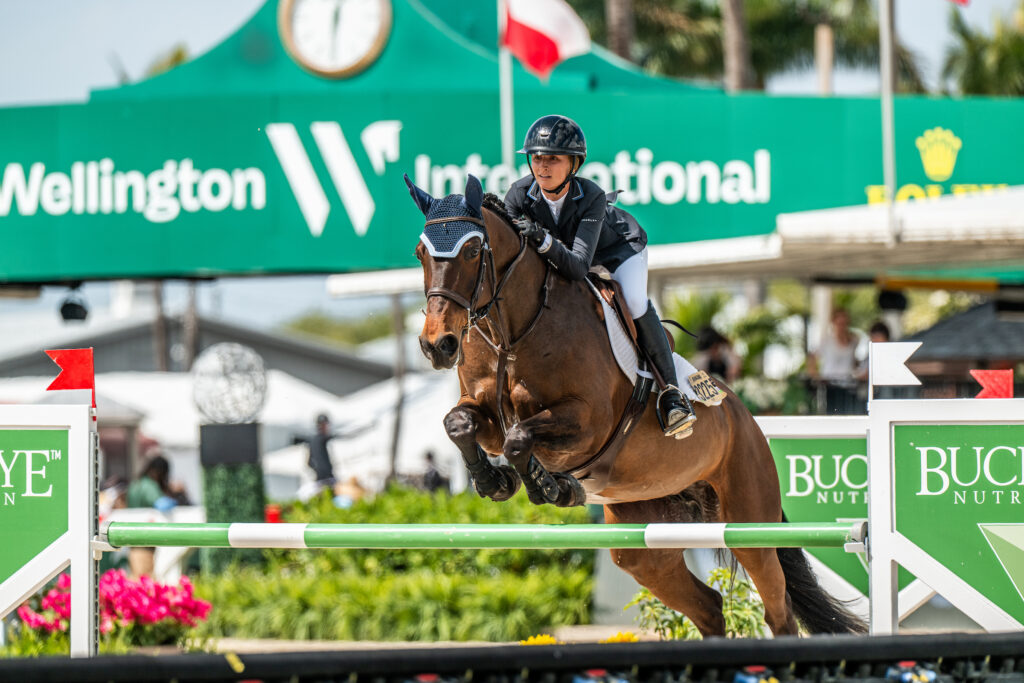
When it comes to activity level, horses in maintenance and light work will have different needs than those in moderate or heavy work. It’s also important to consider the type and intensity of your horse’s work. Does he only jump bigger fences at shows for a shorter period of time? Or, if you’re an eventer, you need to consider your horse’s energy requirements for the endurance he needs on cross country.
Lastly, horses with metabolic conditions such as insulin resistance, Equine Metabolic Syndrome or Polysaccharide Storage Myopathy (PSSM)/Equine Polysaccharide Storage Myopathy (EPSM), Cushing’s disease, laminitis and those with a history of colic, digestive upset, choke or ulcers will have special nutritional needs.
When to Consult an Equine Nutritionist
There are a number of signs your horse’s current diet isn’t working for him that you’ll need to take into consideration—and some of these symptoms are easy to overlook as they could be attributable to other conditions. Is he over or under his ideal weight? Does he suffer from chronic skin conditions? Is his coat dull, or maybe his hooves are soft and prone to cracking? Other signs your horse’s diet might need an update include chronic illness, going off his feed, lacking his usual energy or maybe he’s uncharacteristically nervous and over-reactive. A diet lacking adequate nutrients also results in poor growth rates in young horses and reproductive problems in broodmares and stallions.
When diagnosing, treating and managing a specific illness or health condition, Sturken notes that your veterinarian should always be involved. Equine nutritionists, on the other hand, are experts on specific nutrient needs for individual horses.
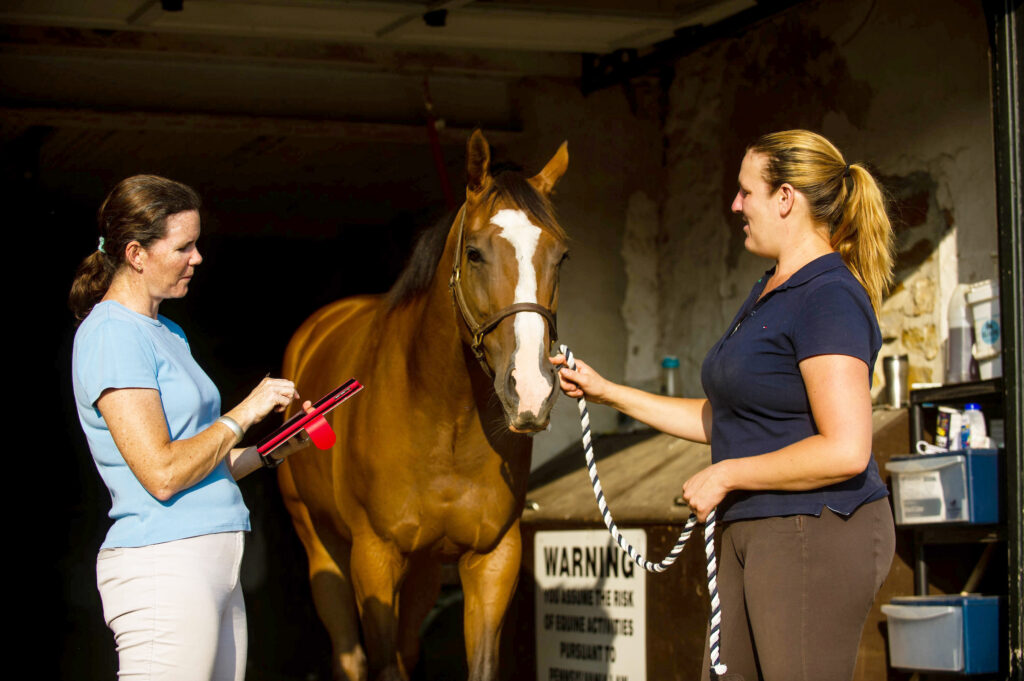
“A nutritionist can make nutritional recommendations based on life stage, activity level and many physiological factors,” she explained. “Nutritionists can also help evaluate a horse’s total diet—both hay/pasture and concentrates or grain and/or supplements. Additionally, if your horse has a specific health concern or condition, they can help identify the best nutrition to support or help with those particular challenges.”
When selecting an equine nutritionist, Sturken advises choosing a professional with a degree in equine nutrition—a Master of Science or doctorate in equine nutrition is ideal. In some cases, it’s best to take a team approach to your horse’s diet and overall health. That means seeking input from—and encouraging communication between—your veterinarian, equine nutritionist and even your farrier, when needed.
What to Expect When Consulting an Equine Nutritionist
An equine nutritionist can provide insights on your horse’s current diet and overall feeding program to determine what aspects are working for him and to identify areas that might need improvement as well as whether he’s lacking in protein or any key vitamins and minerals.
Prior to your first appointment with an equine nutritionist, you’ll want to provide the following information:
- The type of hay you’re feeding (and analysis, if available)
- Ingredient/nutritional content labels from the bags of feed and supplements you’re feeding
- Your horse’s vet records and health history
- Your horse’s age, sex, breed and activity level
- The total amount of both hay and grain your horse is eating daily (in pounds), as well as the amounts of any supplements
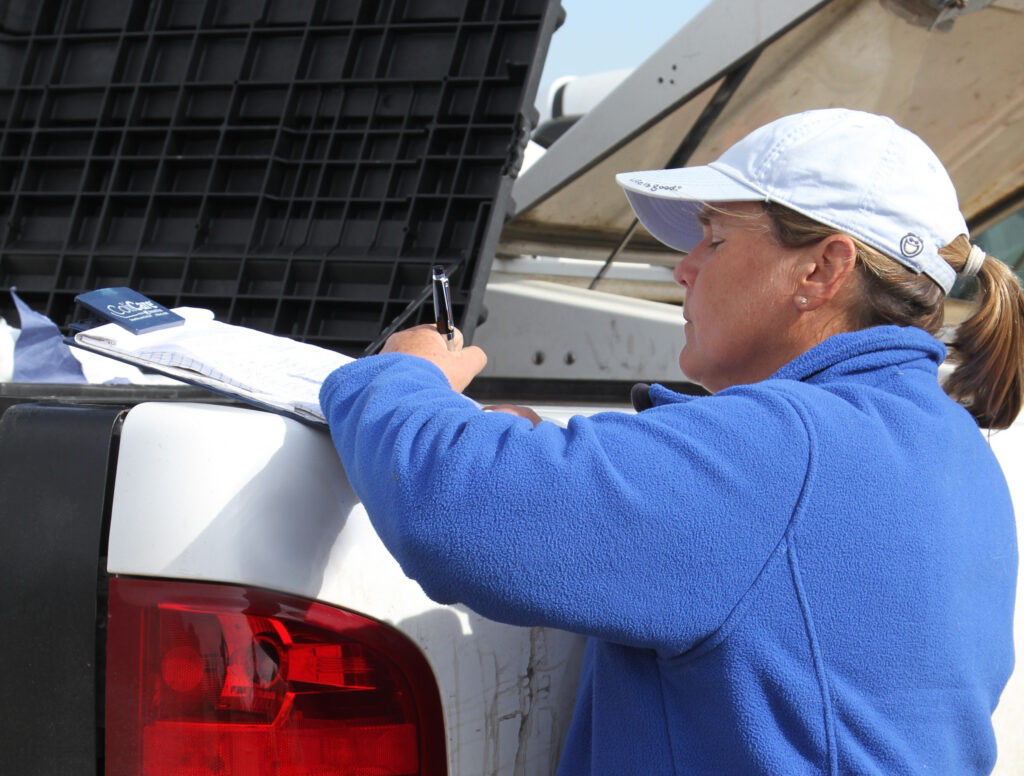
From there, your equine nutritionist will help you evaluate and test your hay, review your current feeding program and make recommendations to improve your horse’s nutritional intake. Sturken explains that changes to your feeding program could be minor or significant depending on the situation.
“It could be as easy as feeding more or less of the current feed but could be changing the feed completely. Reviewing best feed management practices is always a good idea, too,” she said. “That includes how you feed, when you feed, how often, individual feeding vs. group feeding, etc.”
Team Communication is Key
While it may not always be necessary for your equine nutritionist and veterinarian to communicate regularly, Sturken reiterates that this is always a good idea if your horse is dealing with disease or another health condition.
“You can help your veterinarian by providing a copy of the guaranteed analysis, the amount and type of feed your horse is getting, as well as any supplements. Using a scale to weigh your feed is also helpful,” she noted. “That way, when working with your veterinarian and/or nutritionist, you know exactly how much you’re feeding and can make adjustments. This goes for hay, too. You need to know what type of hay you’re feeding and how much.”
Takeaway
Keep in mind that sporthorses who participate in more demanding disciplines and those with heavy competition schedules often have different needs when it comes to balancing their diets. An equine nutritionist can help you evaluate whether your horse is getting the appropriate amount of fuel to support his workload and if he’s missing any vitamins and minerals that are key for his muscle and nerve health as well as those that maintain normal body function and balance.
Paying close attention to your horse’s behavior and overall health will help you know when it might be time to consult an equine nutritionist—it just might improve your horse’s health and attitude in ways you might never have considered.