

 Video
VideoI had the privilege of interviewing top hunter, jumper and equitation rider Nick Haness a few weeks ago for an episode of the Practical Horseman Podcast. When I asked what first drew him to hunter/jumper competition over other disciplines, he described what I suspect many of us experienced:
“From a young age, I fell in love with the adrenaline I got from jumping a horse. For those 60 seconds I’m in the ring competing, I’m in my happy place. It’s like my moment of freedom from everything else in life, and all the other stresses go away. Just being on a horse’s back and jumping the course as a team to put together a perfect hunter round is a moment of pure bliss.”
Even after many different lifetimes as a rider, I can still clearly remember the Monday morning in July of 1990 that launched my horse journey. My mom frantically raced up the stairs to my bedroom, alerting me that there had been a cancellation at the summer camp of a local hunter/jumper program, and I was in.
The smell of horses and leather; the clip-clop of hoof steps and calming lull of singing cicadas; the feel of the summer breeze; the art of learning how to correctly communicate and develop a partnership with a 1,000-pound animal—this was where I belonged.
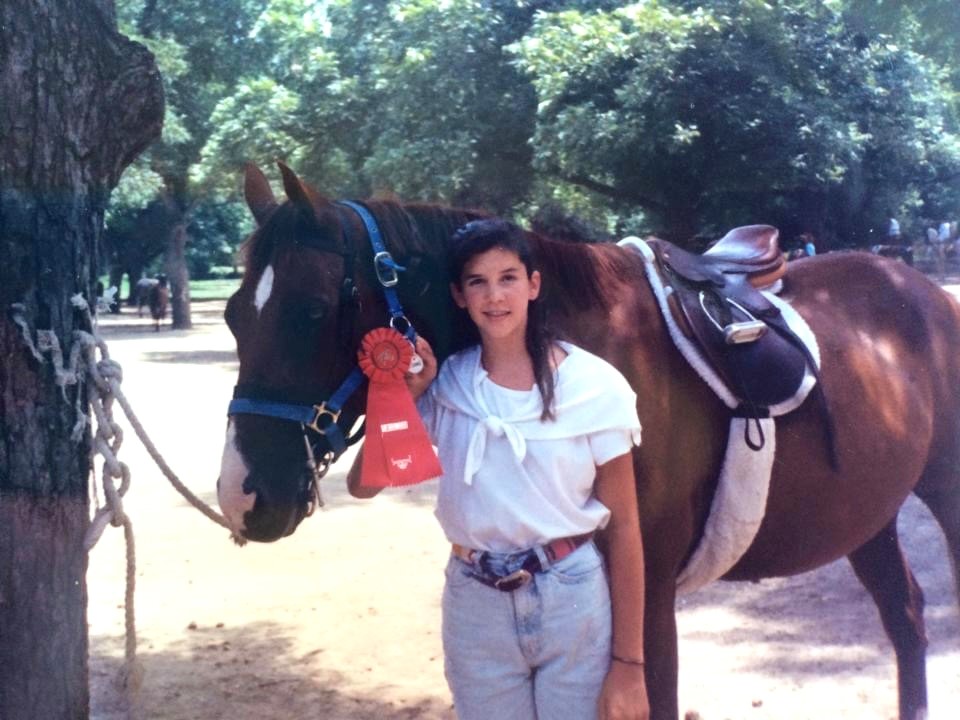
The passing of another year naturally compels us to reflect on where we’ve been, where we are and where we’re going. Like many riders, my personal journey with horses has taken many forms and continues to evolve as life changes, old doors close and new ones open.
From falling head over heels for all things horse as 10-year-old, competing in my first show, getting my first teenage job as a summer camp counselor/riding instructor and riding on the Texas A&M Equestrian Team to owning my first horse and our long journey together, my riding life without him, learning how to ride again after a serious injury and my current heart horse, each experience and stage of my equestrian life has introduced new lessons.
As we embrace the new year and its possibilities, here are few things I’ve learned on my personal journey that I hope resonate and help you reflect on your own horse life.
Horses Foster Resilience
Horses quickly teach us that perfection in riding is a lifelong and constantly evolving process. You’re not perfect; your horse isn’t perfect. Some days, you’re going to be off you’re A-game; other days, your horse might be off his.
Showing horses teaches us that even a perfect ride doesn’t guarantee a win due to a wide variety of circumstances, and depending on your discipline. Other times, you might win and not 100% deserve it. Life isn’t always fair and learning this as equestrians helps us evaluate why we truly love to ride.
When I unexpectedly had to put down Memphis, my heart-horse Thoroughbred of almost 20 years, I was so unbelievably heart-broken and numb even the thought of going to the barn hurt too much to bear. I didn’t ride for almost two years—the longest hiatus in my riding career. But one day while I was running errands, I realized there was a giant hole of emptiness in my life that only horses could fill. I put my “big-girl” pants on and mustered the courage to start taking lessons again, which led to my leasing two wonderful horses, who taught me new skills.
After shattering my heel bone and having major reconstructive surgery, I essentially had to learn how to use my left leg correctly in the saddle again, which involved a lot of trial and error and making adjustments that at first felt very uncomfortable and involved a fair amount of pain. But every hour I spent relearning how to use my lower left leg again was well worth the effort—I’m riding better than ever these days.
Horses Encourage Us to be Pro-Active
You may have recognized this in your own riding life, but horses have an uncanny way of prodding us out of our comfort zones. Maybe you’re having one of those days where you just don’t feel like getting out of bed; we all do. But knowing your horse is waiting for you is enough to goad you outdoors and into your happy place; as a result, you feel much better about life and are more prepared to tackle other challenges.
Or, maybe your trainer tests you with a new exercise you’re less than confident about navigating. While I might struggle more with this in other aspects of life, when I’m faced with this in the saddle, I’m somehow able to zone everything else out, listen to my trainer’s instructions, trust my horse—and go for it. More often than not, when I’m forced out of my comfort zone in this way, I leave my lessons feeling much more confident about myself and life in general.
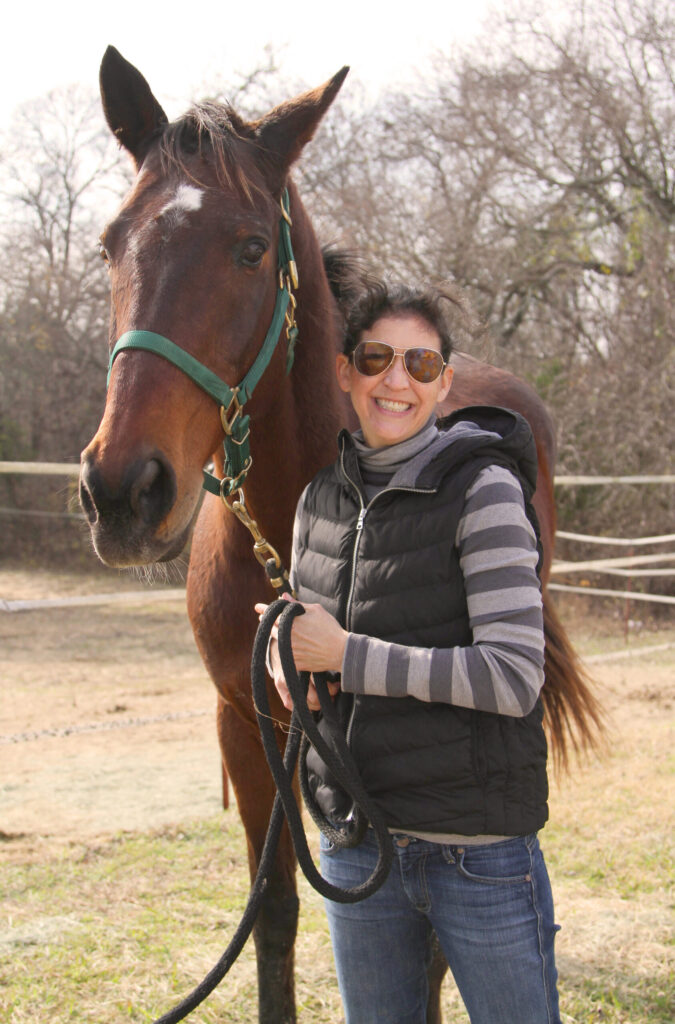
Another example: When you own and love a horse, you—and only you—are that animal’s advocate. I faced an excruciating decision in my early 30s regarding Memphis’ welfare. After riding at the same barn for almost 25 years, the boarding situation had suddenly become challenging for my hard-keeping Thoroughbred. Due to massive spring flooding and poor pasture conditions, Memphis had shed 200 – 300 pounds in a short amount of time, and the weather forecast continued to look bleak.
It was an extremely difficult decision and one that was very hard to break to my longtime trainer and barn friends, but I know it was the right decision for my horse at that time. After relocating him to a new barn and riding program, it was a long road getting Memphis back to a healthy weight, but it was well worth the time. In addition to getting my boy back to health, this decision also opened a new chapter of experiences and opportunities in my riding life that I couldn’t have imagined a decade ago.
Horses Promote Our Longevity
It wouldn’t be a stretch to argue that equestrians have some of the highest rates of performance longevity among modern-day athletes. At the age of 66, Australian dressage rider Mary Hanna was the oldest Olympic athlete to compete in the 2021 Tokyo Summer Olympics. Japan’s 80-year-old dressage powerhouse Hiroshi Hoketsu would have been the oldest Olympic athlete in history if his horse had been able to compete in Tokyo. And top powerhouse eventer Phillip Dutton is 62 and showing no signs of slowing down.
Chances are, you’re probably in better shape than your peers who don’t ride. We know that riding requires immense cardiovascular and muscle strength—so in addition to our time in the saddle, many of us also exercise outside of riding to improve our performance. Plus, just being at the barn fosters more physical activity. Grooming, tacking up, mucking out stalls and other daily barn chores provide loads of non-exercise activity thermogenesis (NEAT exercise)—the calories you burn from daily activity outside of structured workouts.
The riding lifestyle is, of course, also excellent for your mental and emotional health. Just being outside in nature enjoying your horse does wonders for chronic stress and burnout, and planning and caring for your horse helps keep your mind sharp.
Horses Unlock New Opportunities
If you’ve been in the horse world long enough, you might have noticed there always seems to be six degrees of separation in the sport—and you never know what new doors might open when you least expect them. When I graduated from Texas A&M with my degree in journalism, I had my early career sights set on newspaper reporting, but when I discovered an ad for an editorial coordinator position with Horse & Rider magazine, I jumped at the opportunity. Even though I had a background in hunter/jumpers, I quickly learned the ropes of Western riding and had a successful career as Horse & Rider’s managing editor for a number of years.
My early career as budding equestrian journalist propelled me to other opportunities with Western & English Today and the American Paint Horse Association’s Paint Horse Journal and Chrome magazine, as well as freelance work for the Paint Horse News of Australia, New Holland’s Acres, EQUUS magazine—and Practical Horseman.
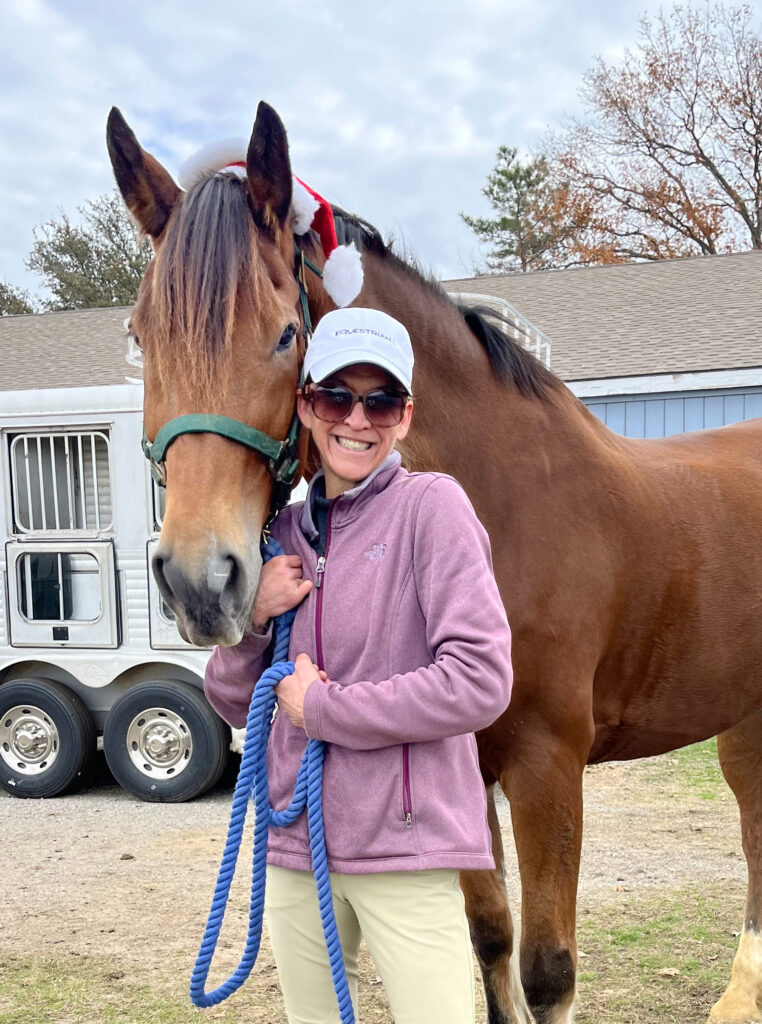
Before coming on board fulltime at Practical Horseman, my equestrian experience also helped me get a job working on SmartPak’s customer-care and marketing teams. At the time, the horse I’d been leasing was ready to retire and I was looking for a different barn closer to my home. But after riding in North Texas for 30 years, I was familiar with the other programs in my area and wasn’t sure any of those close enough would be a good fit.
One afternoon while working on SmartPak’s customer-care team, I took a phone call from a customer in Princeton, Texas, a suburb northeast of Dallas. When I learned she was riding with a hunter/jumper trainer who was new to the area and whose training program was just 20 minutes from my house, I immediately reached out.
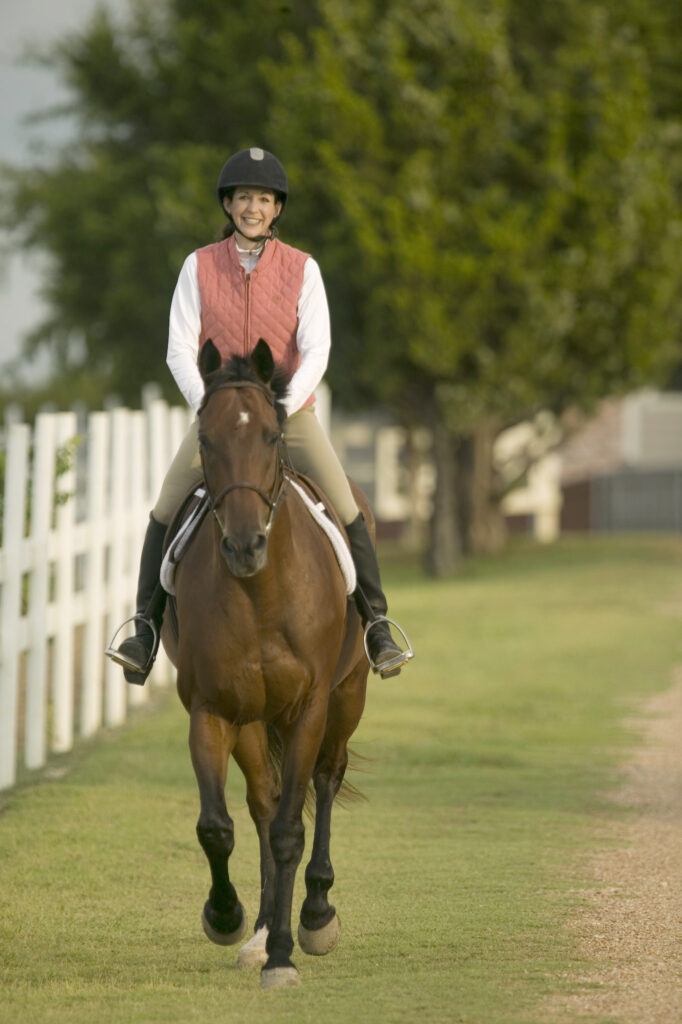
It was kismet—this trainer, her program and teaching style was exactly what I was looking for and needed at that stage of my horse life. Fast forward three years: I’m happier than ever in my riding career as a proud Adult Ammie, am riding my best, learning new ways of doing things and am leasing the most adorable bay Clydesdale/Trakehner cross named Alex who fills my heart with every ride.
So even when things might seem bleak or uncertain in your horse life, strive to persevere as our equine partners so elegantly teach us. Learning to be OK with not knowing always seems to help us find our way with horses.