




 Video
VideoThis article is brought to you by Mad Barn.
During a three-day CDI competition, a Grand Prix dressage horse begins showing subtle but familiar signs by the second day: reduced appetite after hauling, increased tension during warm-up and girth sensitivity. He’s still performing, but not with the same relaxation, elasticity or consistency that he normally has at home.
For riders and trainers competing at the upper levels, these changes are rarely dismissed as isolated behavior issues. Increasingly, veterinarians, nutritionists and top riders recognize that digestive comfort can directly influence rideability, focus, recovery and overall sporthorse performance.
Digestive health has become a major area of focus in modern equine management because the gastrointestinal system is closely tied to nutrient utilization, stress response, immune function and behavioral expression under saddle. Horses in intensive training programs are particularly vulnerable to digestive disruption due to travel schedules, concentrated feeding programs, stall confinement and the physical demands of competition.
As a result, many competitive riders incorporate targeted digestive support into their horse’s daily program. The challenge is determining which supplements provide meaningful support for the performance horse and which products are best suited to the horse’s individual needs.
Why Digestive Health Matters in Sporthorses
Elite horses are managed very differently from horses living primarily on pasture. While these management systems support conditioning and performance, they can also create circumstances that challenge normal gastrointestinal function. Research suggests several common aspects of high-performance management influence digestive health, including:
- Intensive training schedules
- Frequent hauling
- High-concentrate feeding
- Limited turnout
- Intermittent forage intake
- Competition stress
- Environmental changes

Top riders emphasize consistency in feeding management because even small disruptions in digestive comfort may influence a horse’s focus, willingness to work and recovery between efforts. In training, horses experiencing subtle gastric or hindgut discomfort may present with:
- Tension through the topline
- Resistance during collection
- Reduced swing through the back
- Irritability during saddling
- Inconsistent contact
- Diminished recovery after work
These signs are often multifactorial, but digestive health increasingly plays a role in the conversation surrounding performance optimization.
Gastric Health in Performance Horses
Gastric ulcers remain one of the most common digestive concerns in performance horses, particularly in disciplines requiring intensive conditioning and frequent travel. The equine stomach produces acid continuously, including during exercise and periods without forage. Horses competing at the upper levels often spend extended periods in stalls, travel long distances, or experience disruptions in normal feeding routines — all factors associated with increased gastric stress. Research indicates that the squamous portion of the stomach is particularly vulnerable to acid exposure when forage intake is inconsistent.
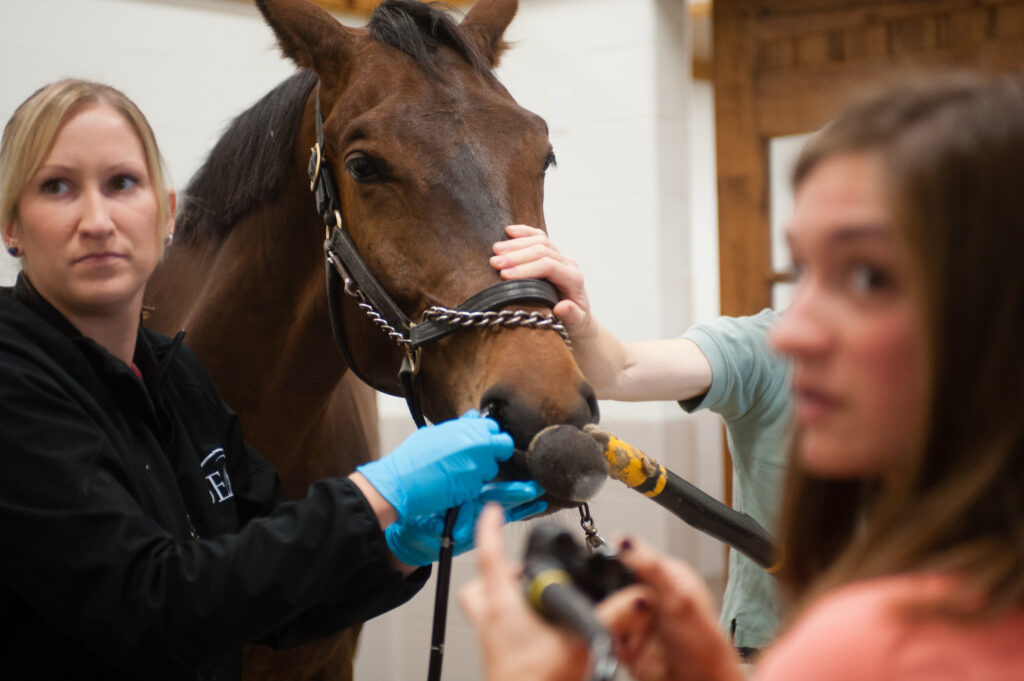
Veterinarians commonly associate gastric discomfort with:
- Girth sensitivity
- Behavioral tension
- Reduced appetite
- Resistance under saddle
- Changes in performance quality
To improve performance, many trainers now incorporate nutritional programs specifically designed to support gastric integrity alongside forage-focused feeding management.
For horses requiring comprehensive support, Mad Barn’s Visceral+ is frequently used to support both gastric and hindgut function within a single formula. The product combines phospholipids, probiotics, amino acids, yeast cultures and botanical ingredients formulated to help maintain gastric barrier integrity while also supporting digestive efficiency throughout the hindgut. This whole-gut approach is particularly valuable for horses exposed to multiple performance-related stressors simultaneously.
Hindgut Health and Athletic Performance
While gastric ulcers receive significant attention, hindgut health is equally important in maintaining consistency and condition in the sporthorse. The hindgut is responsible for fermenting fiber into volatile fatty acids, which serve as a primary energy source for the horse. Stable microbial populations are essential for efficient digestion, nutrient absorption, and maintaining healthy body condition throughout demanding training programs.
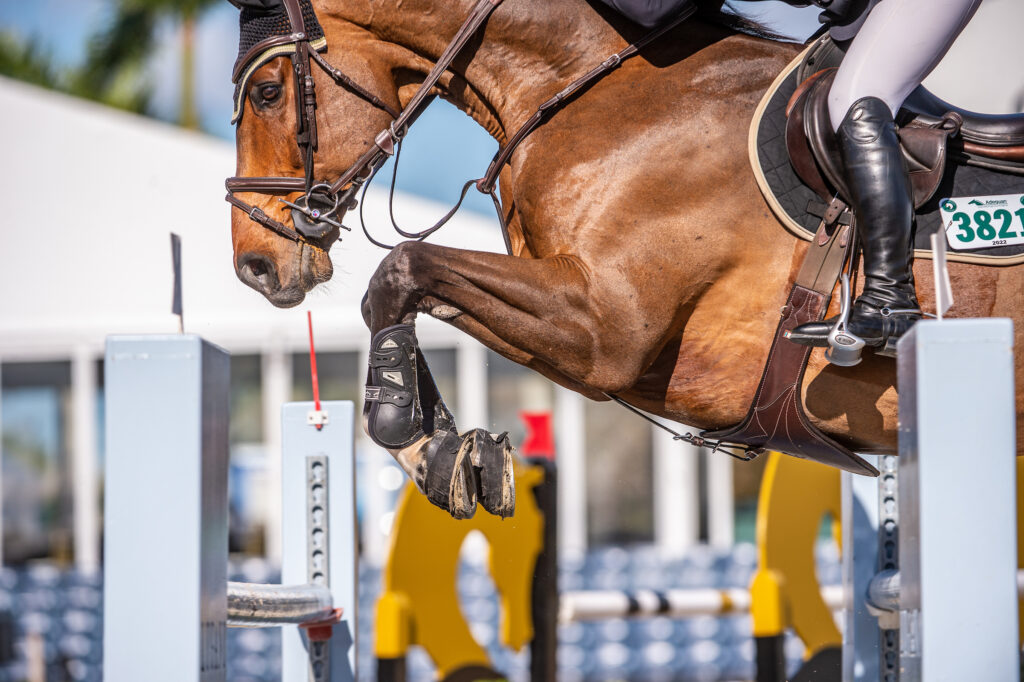
When hindgut balance is disrupted, horses may exhibit:
- Loose manure
- Fecal water syndrome
- Reduced feed efficiency
- Difficulty maintaining topline
- Gas production
- Mild recurrent colic signs
- Fluctuating energy levels
In competition horses, these issues are commonly associated with:
- Frequent feed changes
- Travel stress
- High-starch feeding programs
- Reduced turnout
- Seasonal forage variability
Trainer insight increasingly supports the idea that hindgut stability contributes not only to physical condition, but also to consistency in attitude and performance.
For horses requiring targeted hindgut support, Optimum Digestive Health provides a combination of probiotics, prebiotics, yeast, digestive enzymes, immune-support ingredients and toxin binders formulated to help maintain microbial balance and support fiber fermentation. This type of targeted support is often useful for hard keepers, senior performance horses and horses prone to digestive sensitivity during competition season.
The Connection Between Stress and Digestive Function
At the upper levels, stress management is an increasingly important aspect of performance preparation. Transport, competition environments, altered schedules and training intensity all influence the horse’s nervous system, which in turn affects digestive function.
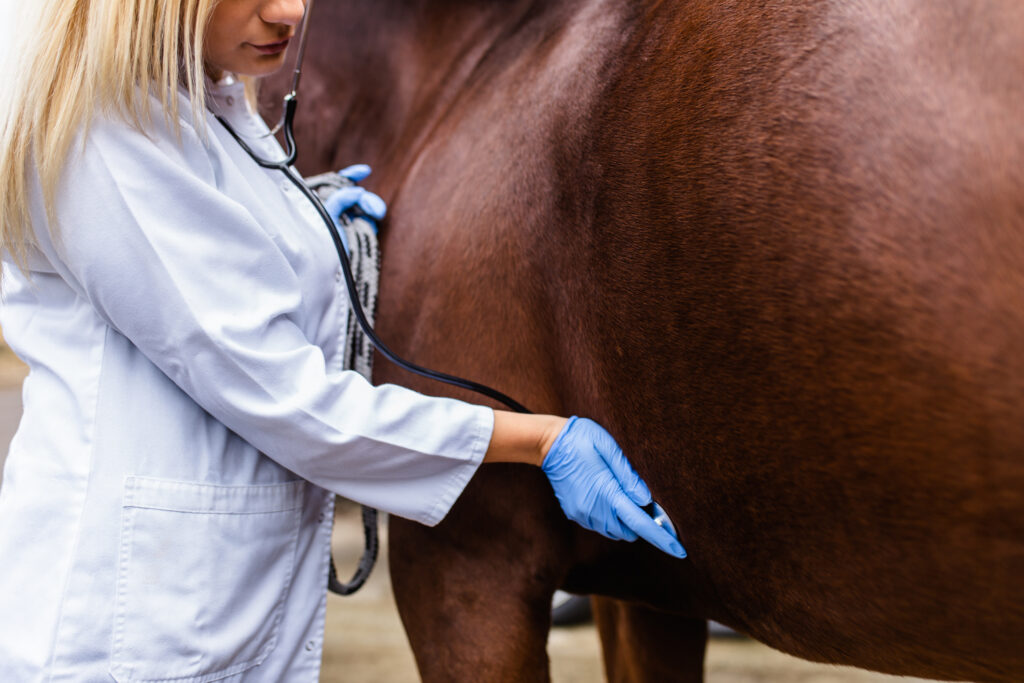
Research suggests stress may alter:
- Gut motility
- Blood flow to the digestive tract
- Appetite regulation
- Microbial balance
Experienced riders often notice that some horses become significantly more sensitive during periods of intensive competition or travel, even when conditioning and training remain consistent. Maintaining digestive stability during these periods has become an important component of modern sport horse management.
For horses requiring daily microbial support without a full comprehensive digestive formula, Optimum Probiotic offers a concentrated five-strain probiotic blend designed to support hindgut microbial balance during training, travel and routine management changes. Because it is highly concentrated and easy to feed, it integrates easily into many high-performance feeding programs.
Practical Feeding Strategies for Sporthorses
Digestive supplements are most effective when paired with management practices that support the horse’s natural physiology. Follow these key strategies to support digestive function in training and competition horses:
Prioritize forage intake: Continuous forage access remains one of the most important tools for supporting gastric and hindgut health. Whenever possible:
- Avoid long fasting periods
- Provide hay during travel
- Use slow feeders to extend forage availability
- Maintain consistent hay sources during competition
Manage starch intake carefully: Large grain meals may overwhelm digestion in the small intestine, allowing excess starch to enter the hindgut where it can alter microbial balance. Many high-performance feeding programs now favor:
- Smaller concentrate meals
- Higher forage inclusion
- Fat-supported calorie sources
- Controlled starch intake
Support hydration: Hydration directly affects gut motility and digestive function.Competition horses may drink less during travel or at unfamiliar venues, increasing digestive risk. Strategies commonly used by trainers include:
- Soaked feeds
- Electrolyte supplementation
- Flavoring water at home before travel
- Offering forage throughout hauling
Situational fiber support with psyllium: For horses stabled or trained in sandy environments, psyllium may provide additional digestive support. Psyllium husk contains gel-forming soluble fiber that supports intestinal motility and manure consistency. This type of supplementation is commonly used in:
- Dry lot environments
- Sandy turnout areas
- Horses eating hay from the ground
While psyllium does not provide gastric or probiotic support, it can serve as a useful addition within a broader digestive management strategy when sand exposure is a concern.
Choosing the Right Gut Supplement for Your Horse
Digestive support should be matched to the horse’s workload, management demands and primary digestive challenges. Choose comprehensive support like Visceral+ if your horse:
- Travels frequently
- Competes regularly
- Shows gastric sensitivity
- Experiences multiple digestive stressors
- Needs support for both stomach and hindgut function
Choose targeted hindgut support like Optimum Digestive Health if your horse:
- Struggles with manure quality
- Has reduced feed efficiency
- Requires additional support during feed changes
- Needs help maintaining condition during heavy work
Choose Optimum Probiotic if your horse:
- Needs routine microbial maintenance
- Experiences mild stress-related digestive disruption
- Benefits from straightforward daily probiotic support
Final Thoughts
At the highest levels of sport, small details often separate good performances from exceptional ones. Digestive comfort is increasingly recognized as one of those details. A horse that feels physically comfortable is more likely to remain relaxed, focused and rideable throughout training and competition. While digestive supplements cannot replace proper feeding management, they can provide valuable support when integrated into a comprehensive performance program.
For many performance horses, Visceral+ offers the broadest level of digestive coverage by supporting both gastric and hindgut health simultaneously. For more targeted hindgut needs, Optimum Digestive Health provides focused microbial and fermentation support, while Optimum Probiotic offers streamlined daily microbiome maintenance for horses in regular work.
Ultimately, digestive health is not simply a veterinary concern — it is increasingly viewed as a performance management priority for today’s competitive horse and rider.